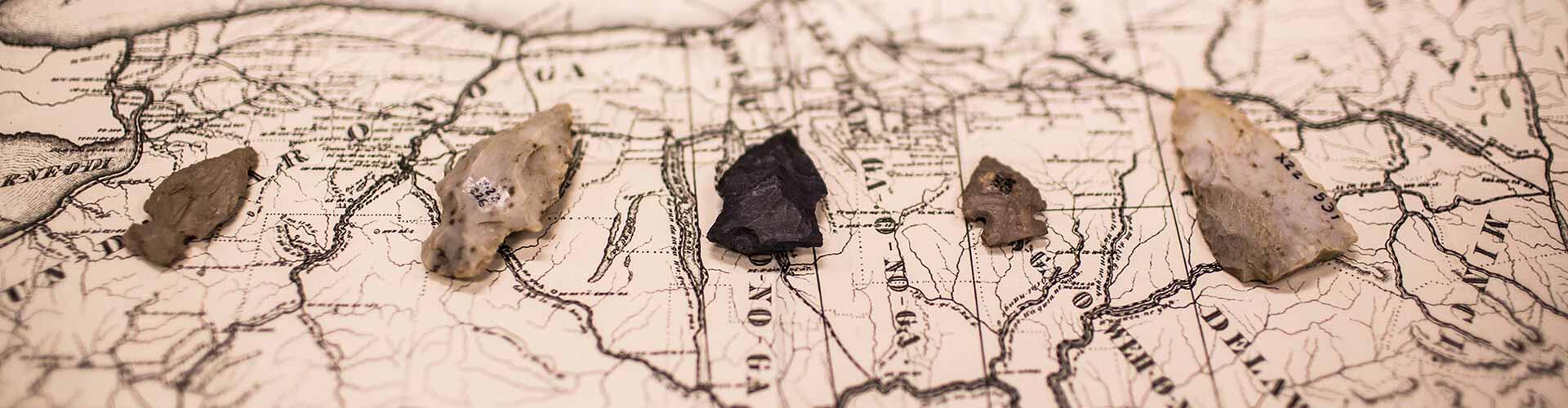
The Anthropology Major: Exploring Human Diversity
Anthropology is the holistic study of humankind, across space and time.
The discipline is divided into four fields: cultural anthropology, linguistics, archaeology, and physical/biological anthropology, all of which are represented in the department offerings.
The emerging field of medical anthropology, a cross-over between cultural and physical, is also well represented in our major. Anthropology majors interested in medical anthropology may consider double majoring in Sociomedical Sciences, which is administered by the Department of Anthropology.
The SUNY Geneseo B.A. program in Anthropology provides a comprehensive education in both the theoretical and practical aspects of Anthropology. Courses, laboratory experiences, and learning experiences inside and outside the classroom setting serve the professional goals of students and faculty, training a new generation of anthropologists to have a positive impact on the world. Exciting study abroad and study away opportunities are also available within our department.
Anthropology Alum in the News:
Anthropology and Sociomedical Sciences Alum-Lily Shields ’23 won a 2024-25 Fulbright US Student Award to Uganda. She will be an English teaching assistant in Kampala. Lily’s life experiences and choice of our two majors will help aid in her wonderful work. Please see the link below to read more on our amazing Alumnus.
https://www.geneseo.edu/news/alum-earns-fulbright-us-student-award-uganda
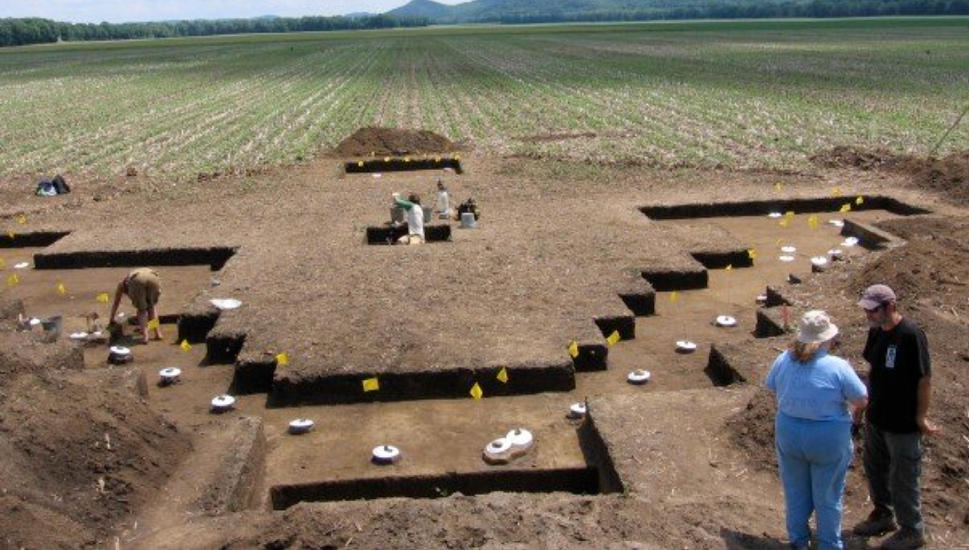
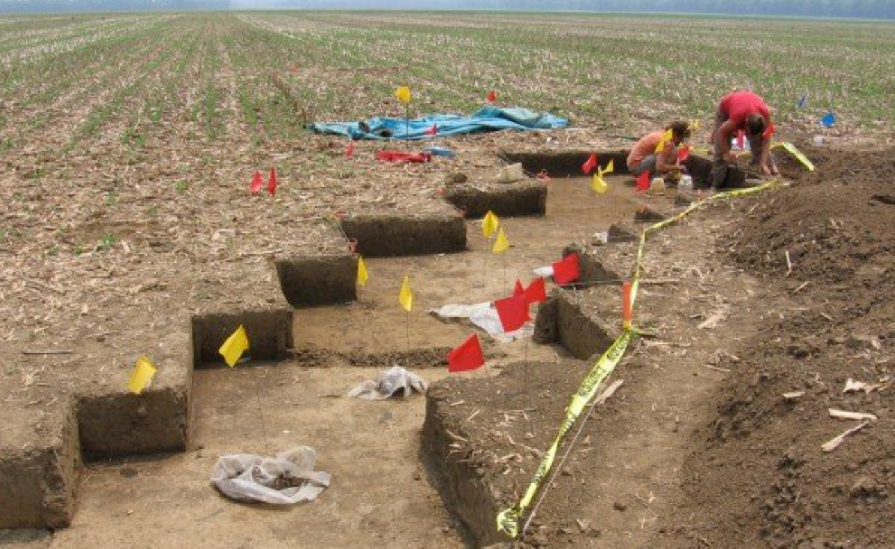
2023 Lambda Alpha 3rd place scholarship recipient: Fiona Shackelton '23 is a recent graduate of the Department of Anthropology at SUNY Geneseo, who earned a B.A. in anthropology with a minor in art history. Fiona spent two years at SUNY Geneseo after transferring from SUNY Fredonia. She is an outstanding student, having maintained a “perfect” 4.0 GPA at both schools and being recognized with Summa Cum Laude graduation honors, membership in Phi Beta Kappa, and our department’s Wendell Rhodes Award for Archaeology, which was presented at the annual Senior Awards Dinner. For the past two semesters Fiona has served as President of the Society for Anthropology and Sociomedical Sciences, which is our major’s “club.” Fiona participated in the 2022 archaeology field school that we held locally at a historic site in the nearby Bristol Valley and then during the 2022-2023 academic year, Fiona parlayed her field school experience in an archival research project at the Bristol Hills Historical Society, and an internship at the Livingston County Historical Society and Museum. As a result of the archival research conducted at the Bristol Hills Historical Society, she completed a research paper that helped win this award, and which is currently under review for publication by Cornell University Press in conjunction with colleague Dr. Marie Lorraine Pipes. The opportunity to potentially publish the paper arose from Fiona’s presentation of the results at the 2023 New York State Archaeological Association’s annual conference in April. Fiona is taking a gap year and was recently hired to work as a field technician for Hudson Cultural Services, a CRM firm based in Lagrangeville, N.Y. Next year she will be applying to graduate schools which include Washington State University and the University of Michigan with the goal of earning a Ph.D. in anthropology, specializing in archaeology. Fiona is inspired to contribute to the ever-growing field of archaeological knowledge as well as to inform, train, and guide the next generation of anthropologists.

Fiona Shackelton (center, of Epsilon of NY) with classmates at her
2022 field school. In Bristol, New York.
2015 Geneseo Anthro Alum, Peter Farruggia recently graduated from the University at Buffalo Schools of Public Health, Management, and Law, with his MPH, MBA, and JD degrees. As referenced in the this article in UB Now.
This past fall, he was selected as a Fellow with the US Government's Presidential Management Fellowship through the Executive Office of the President's Office of Personnel Management. Starting in July, Peter will begin his Federal Appointment at the US Centers for Disease Control & Prevention (CDC), as a Health Policy and Legislative Analyst, working with the US Congress and other Federal Agencies on Federal Health Policy Implementation and Evaluation. At Geneseo, Peter was actively involved in the many various activities throughout both the Anthropology and Biology Departments including Lambda Alpha Honor Society, was a member of the SUNY Geneseo Chamber Singers and Festival Choir, and served as a Teaching Assistant for both Dr. Barb Welker and Dr. Kristi Krumrine. Peter has also continued to serve as a Research Assistant to Kristi since the beginning of her fieldwork in Coba, Mexico in 2015. Peter is so proud to be a Geneseo Grad, most importantly from the Anthro Department, and credits both Kristi and the late Dr. Rosemarie Chierici for their incredible mentorship and for encouraging him to embark on the path he is on today. This is Anthropology!
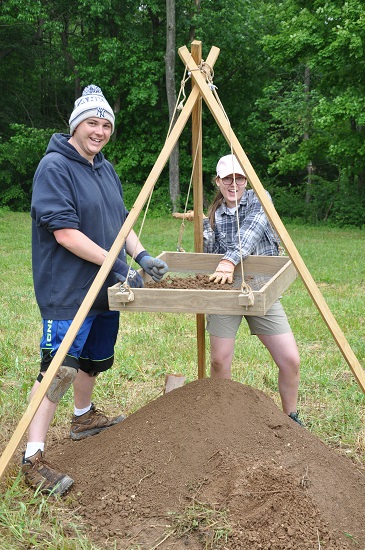
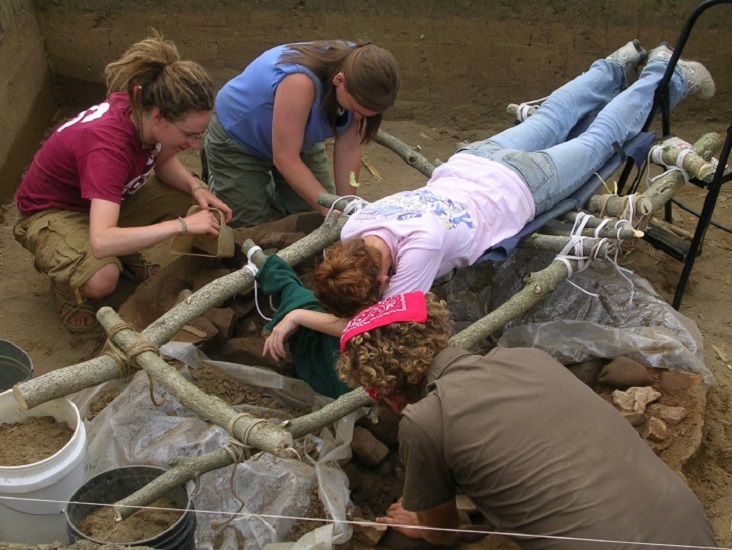
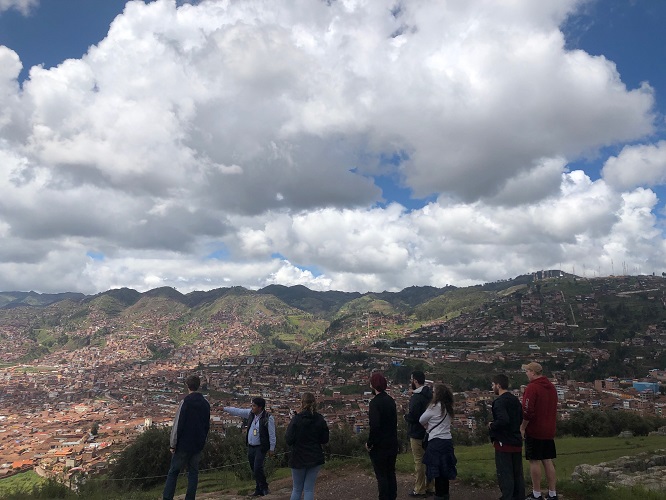
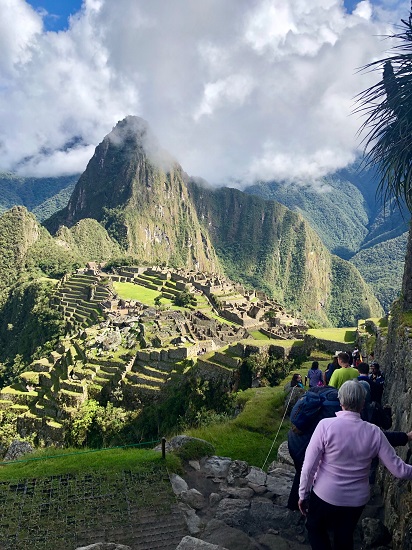
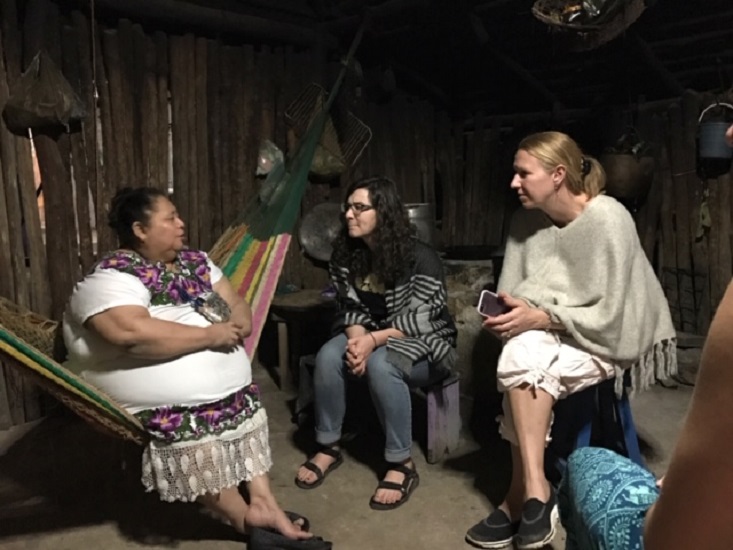
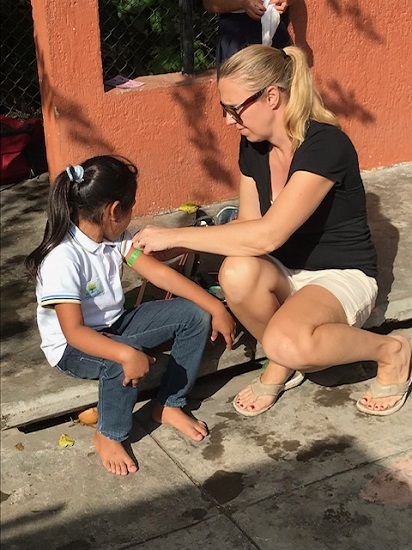
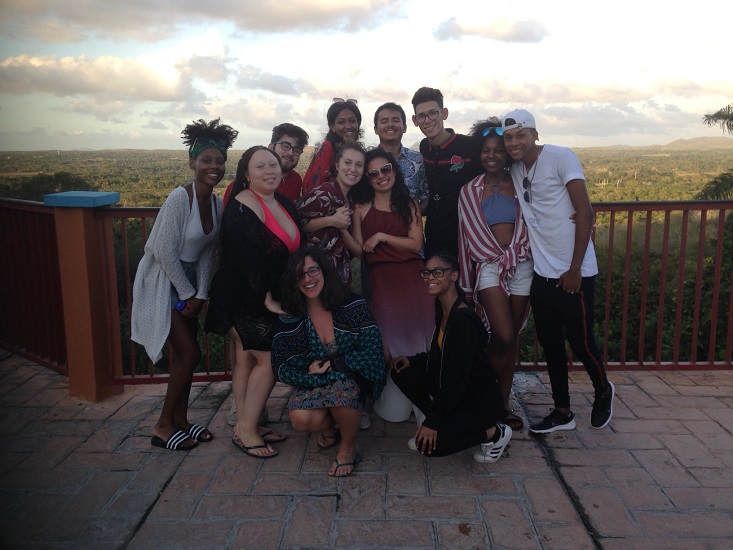
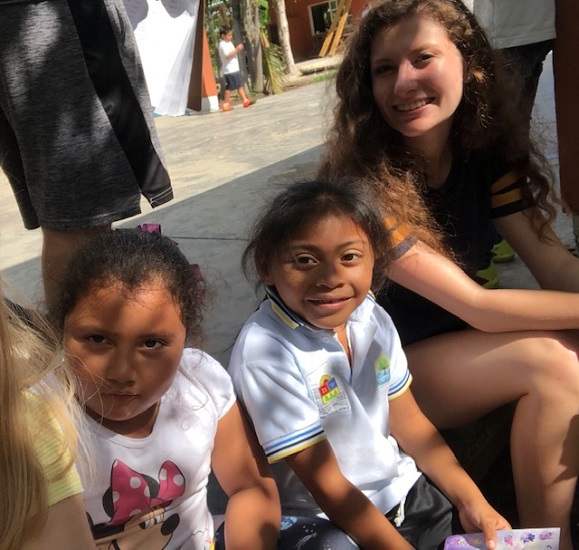
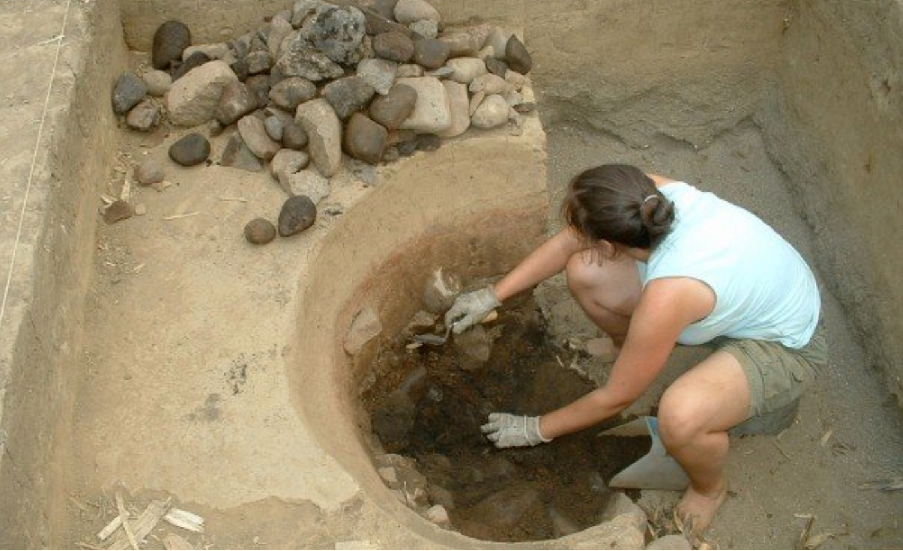
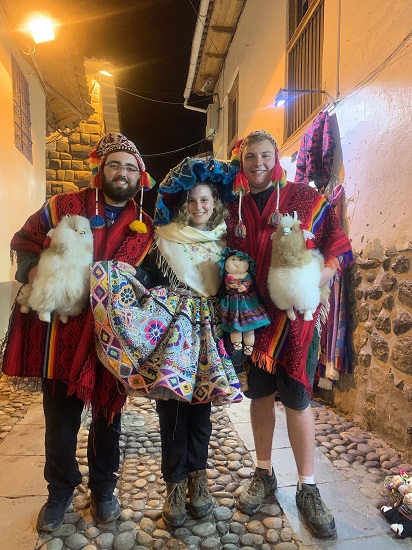
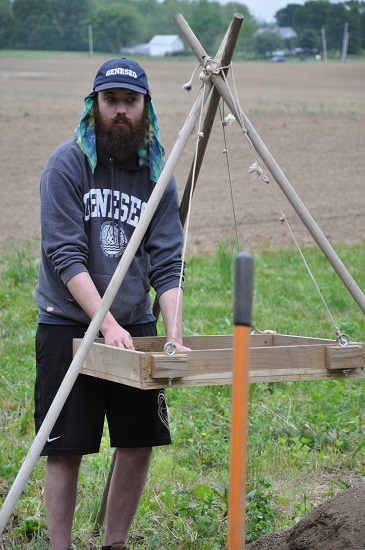
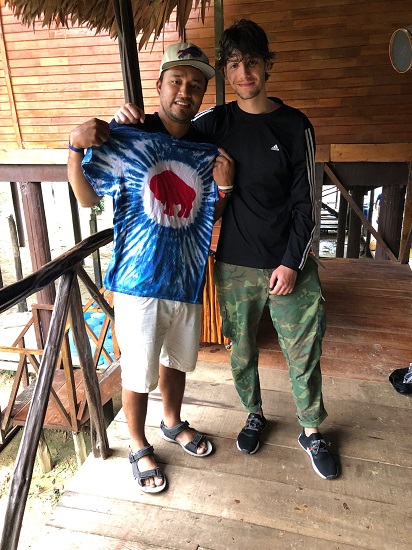
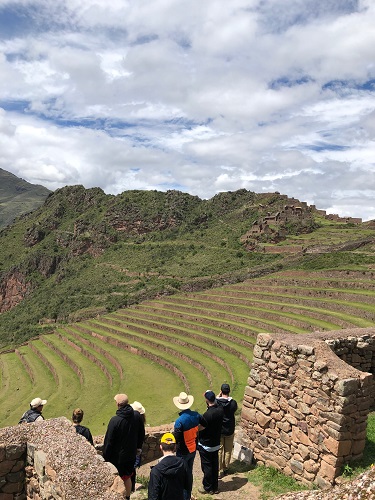
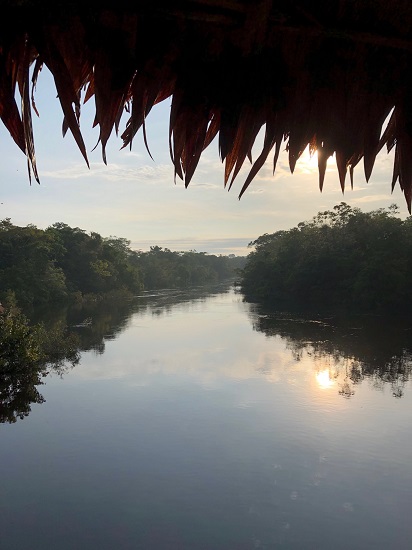
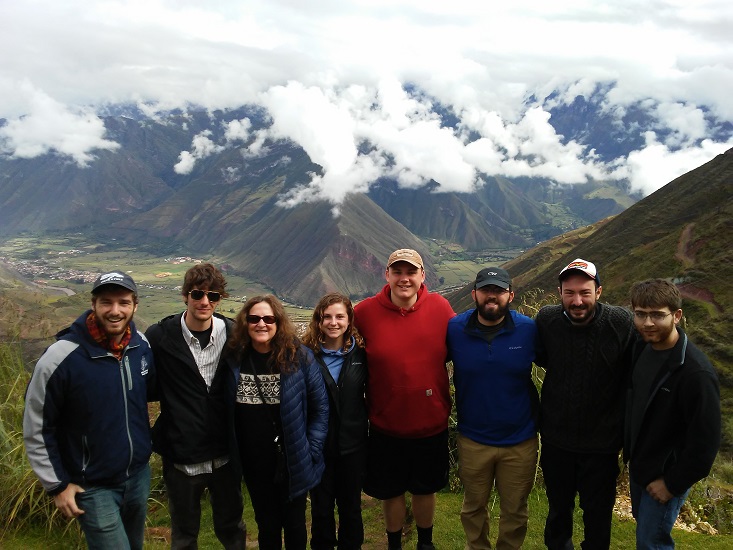
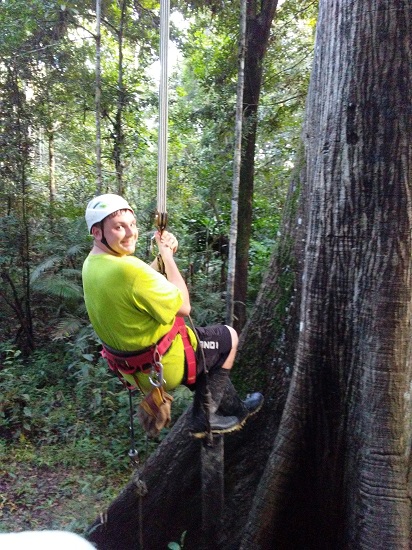
Anthropology students and faculty experiencing study abroad and study away.
Image
Image
Image
Image
Image
Image
Image
Image
Image
Image
Image
Image
Image
Image
Image

Image
Image
Image
Image
Quick Links
Contact Us
Department of Anthropology
Bailey 153
One College Circle
Geneseo, NY 14454
Phone: (585) 245-5277
Fax: (585) 245-5633
Email: anthro@geneseo.edu