

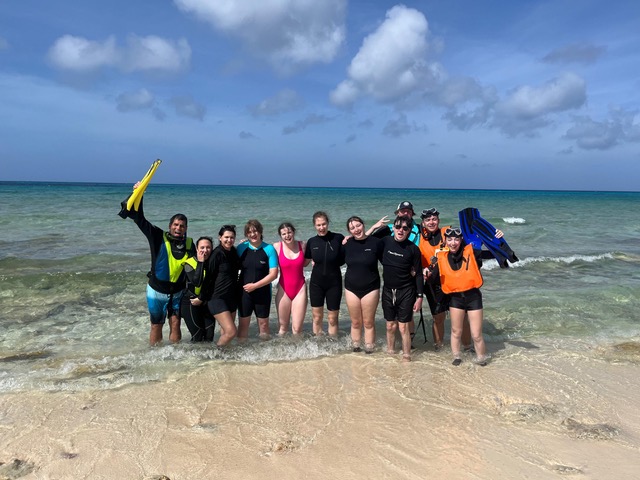
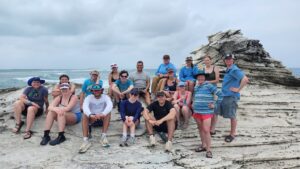
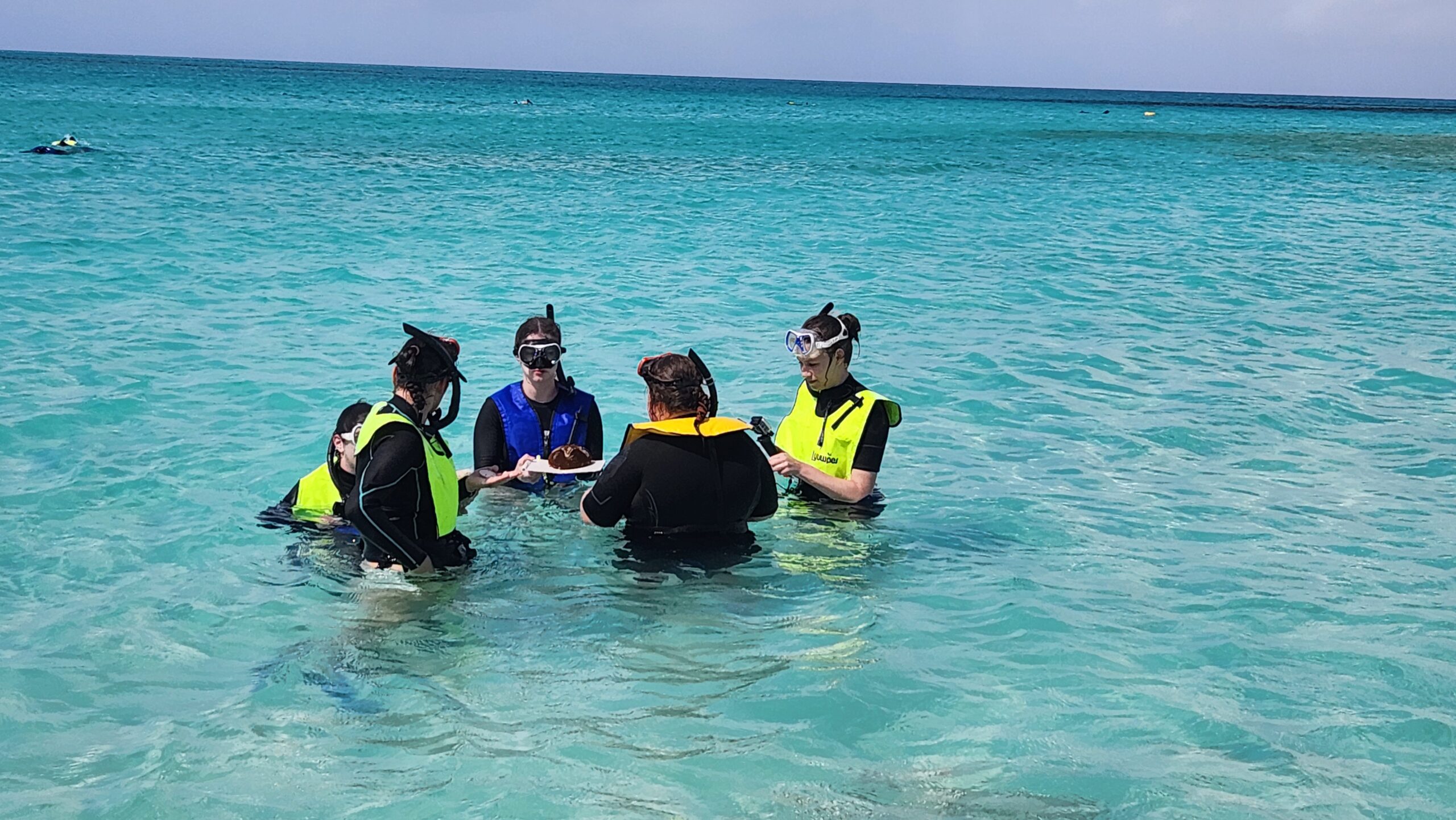
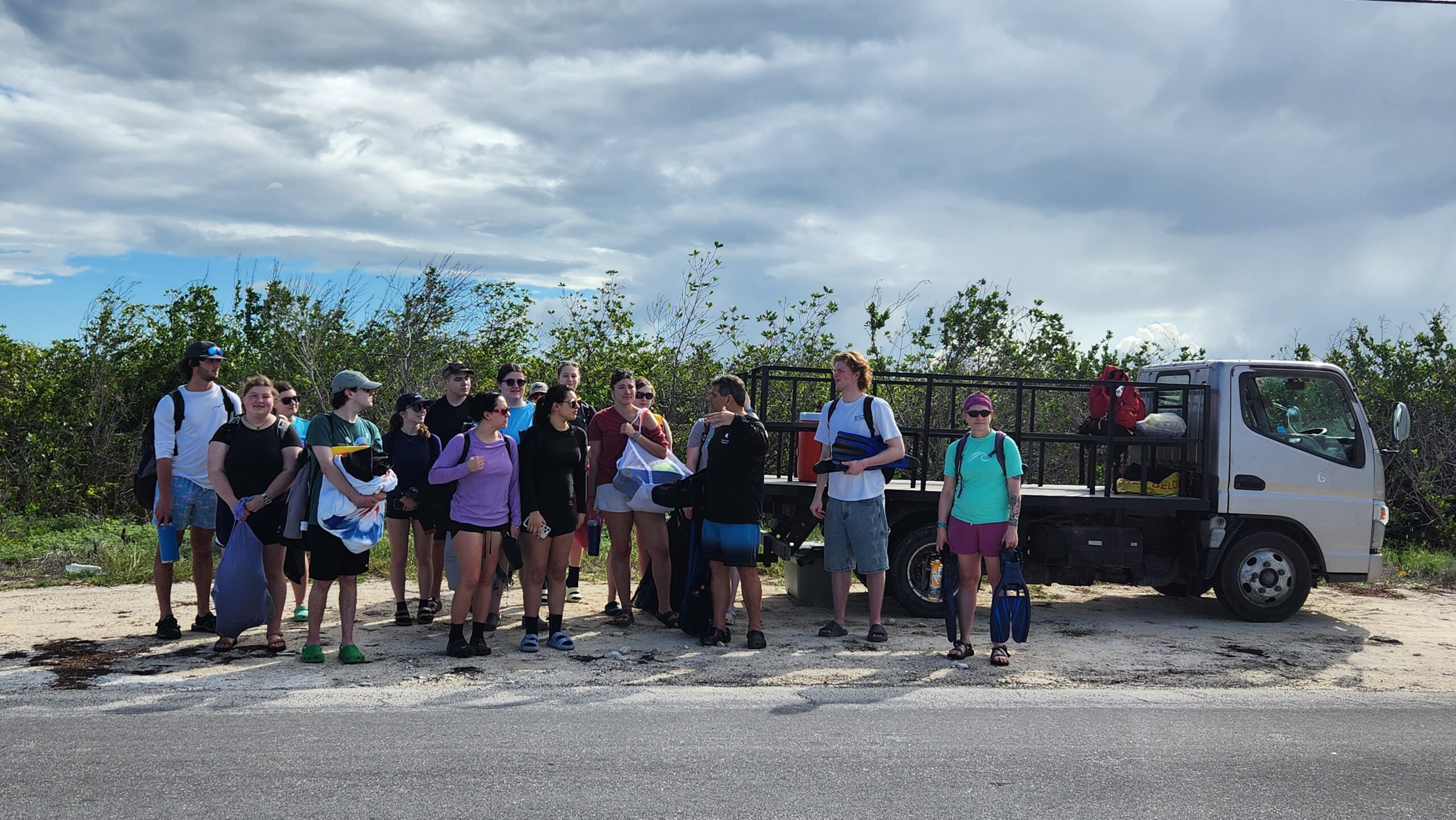
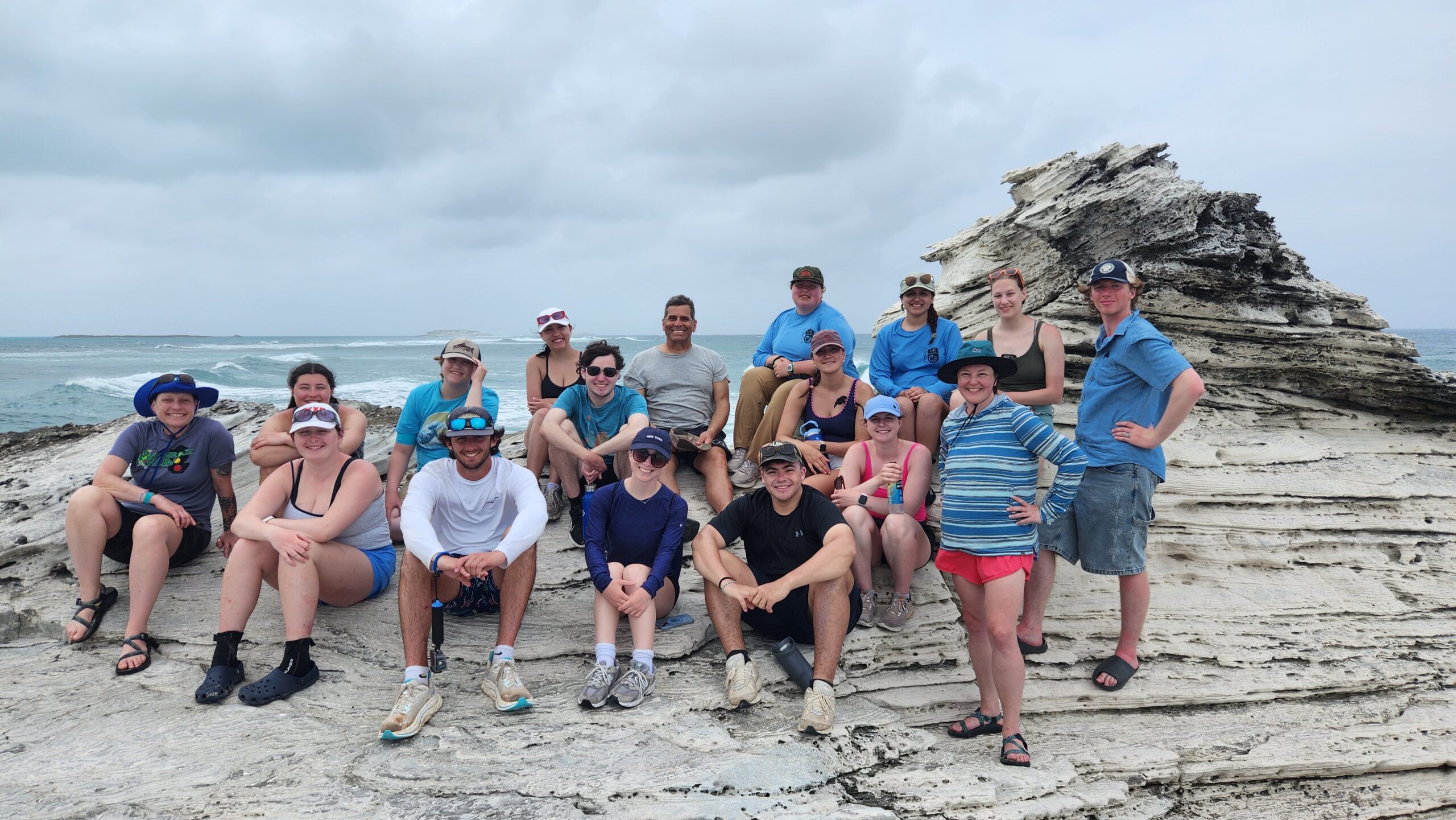
Isidro “Sid” Bosch, left, with students. (Photo provided)
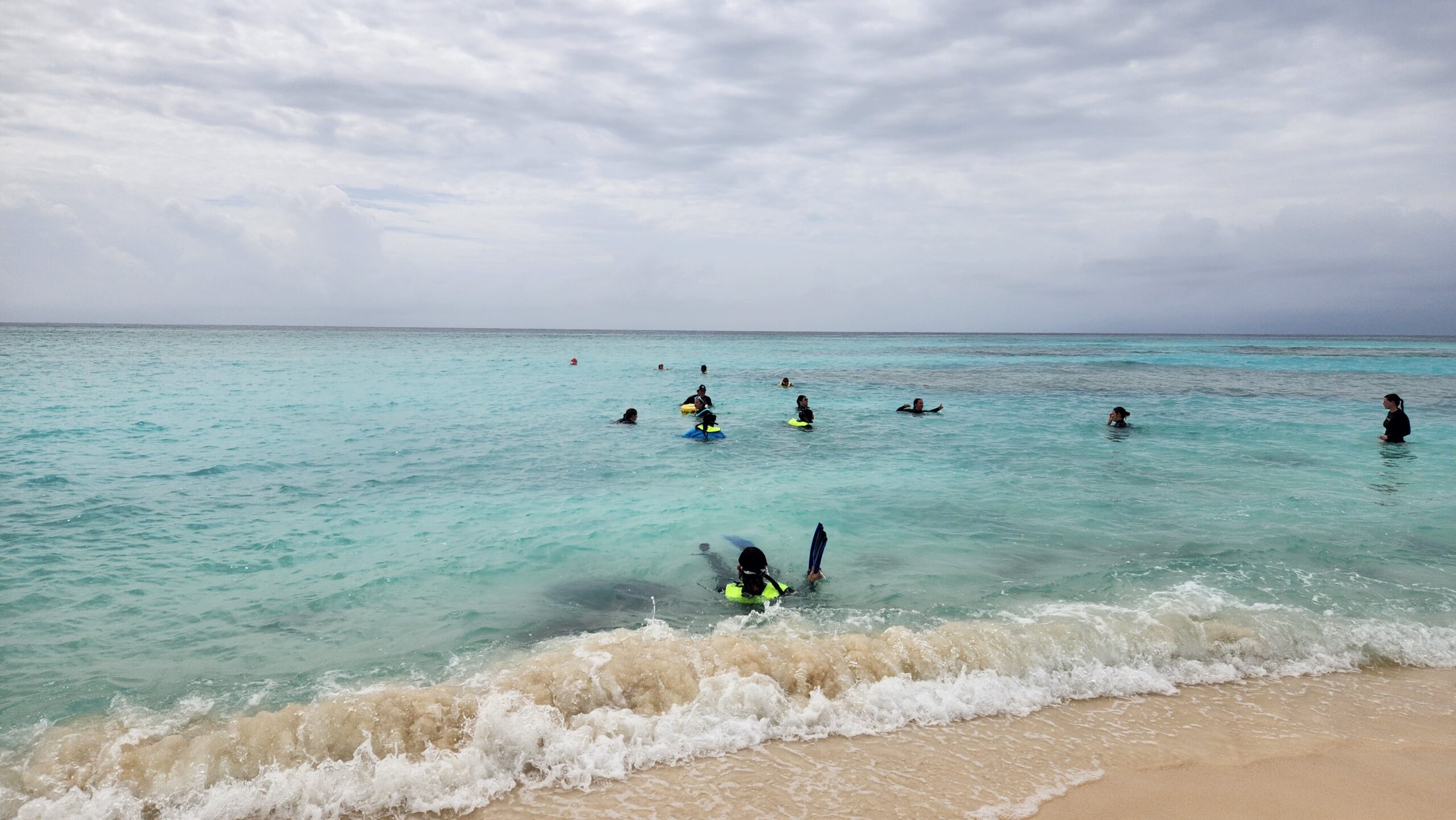
Students in the Biodiversity and Geology of the Coral Reefs course spent part of the winter in the Alumni Pool training for snorkeling, free diving, and taking measurements underwater in preparation for their spring break research trip in the Bahamas.
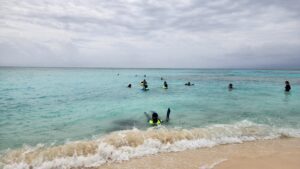
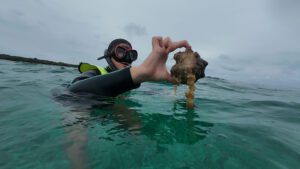
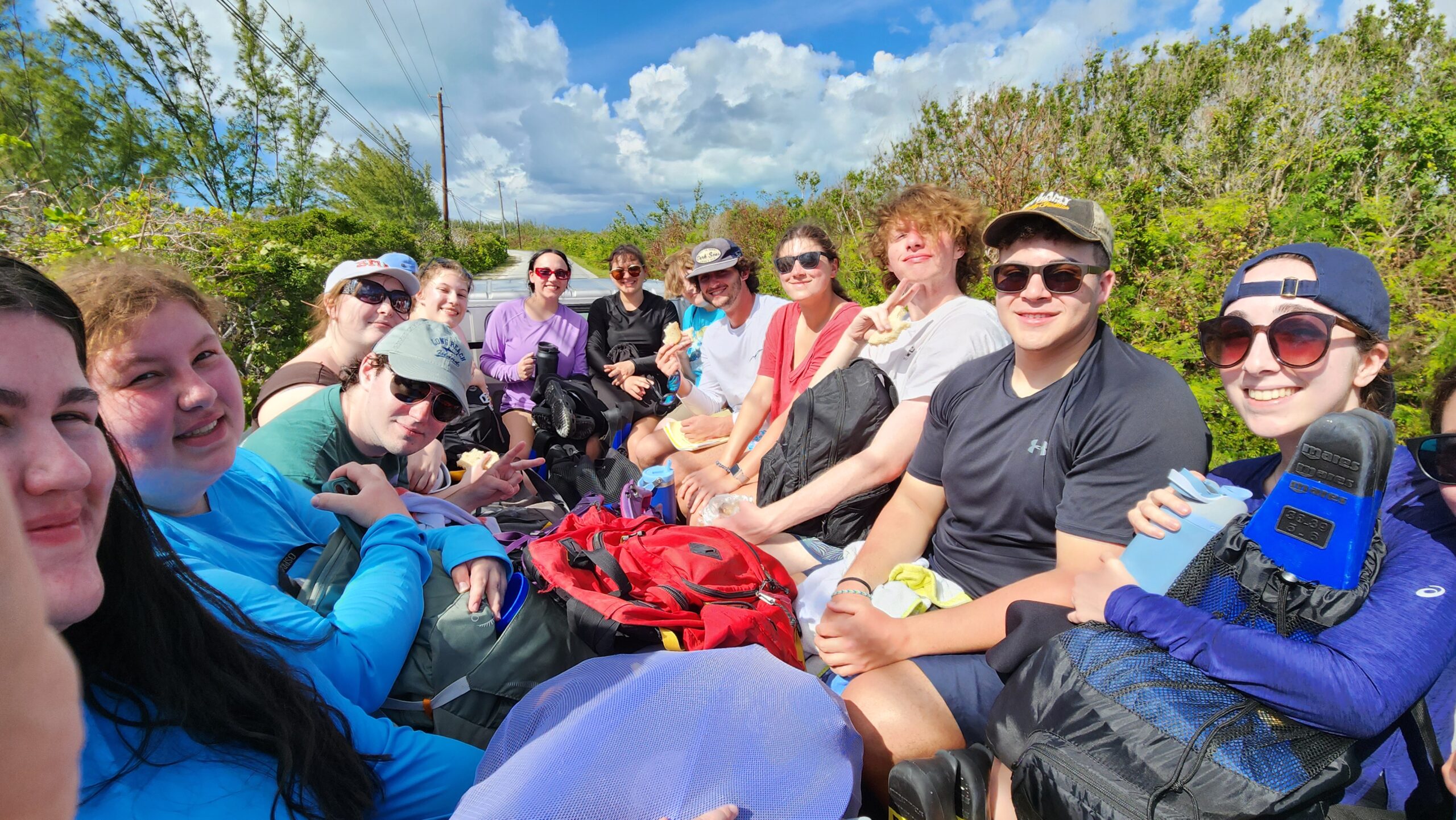
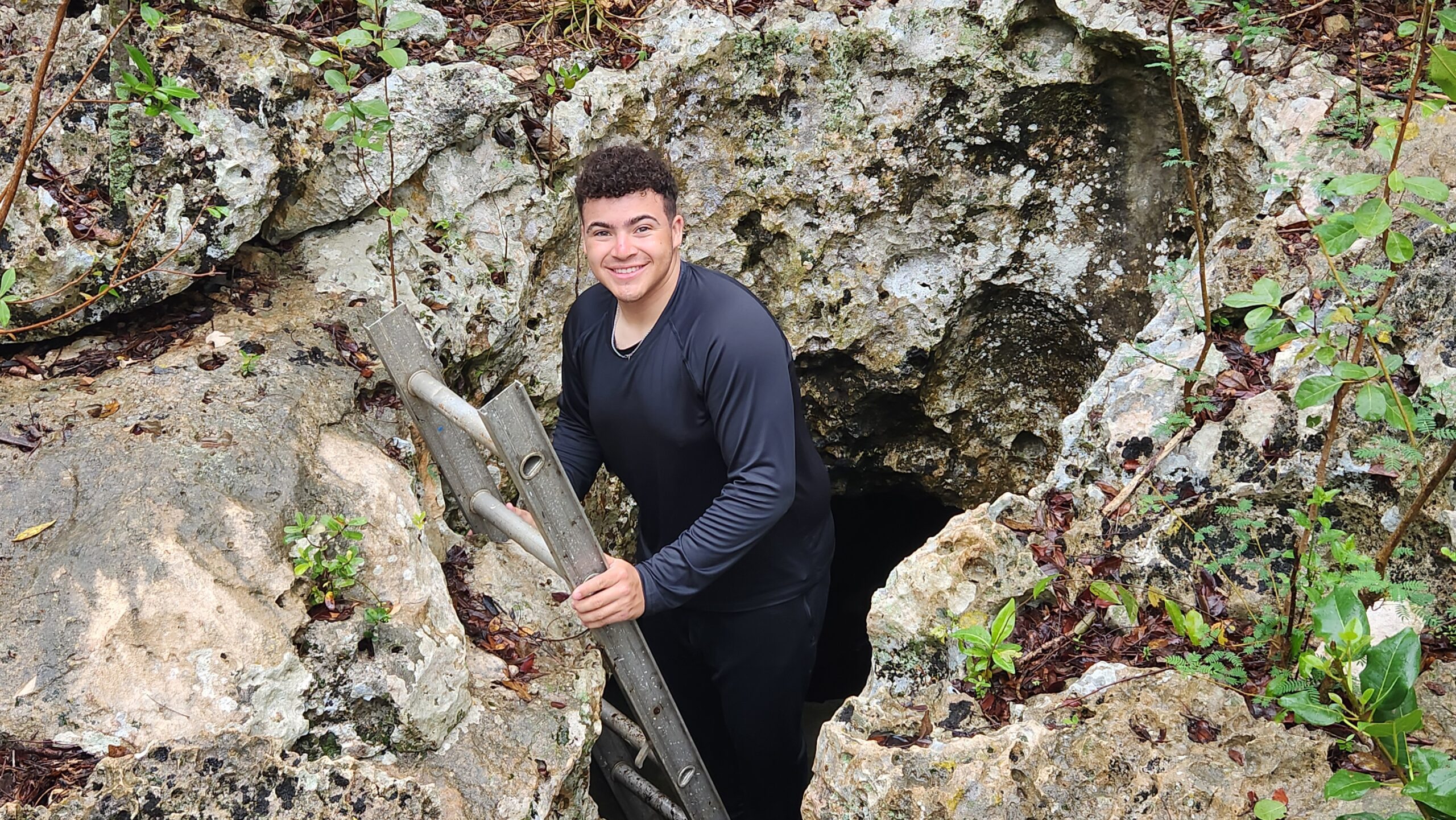
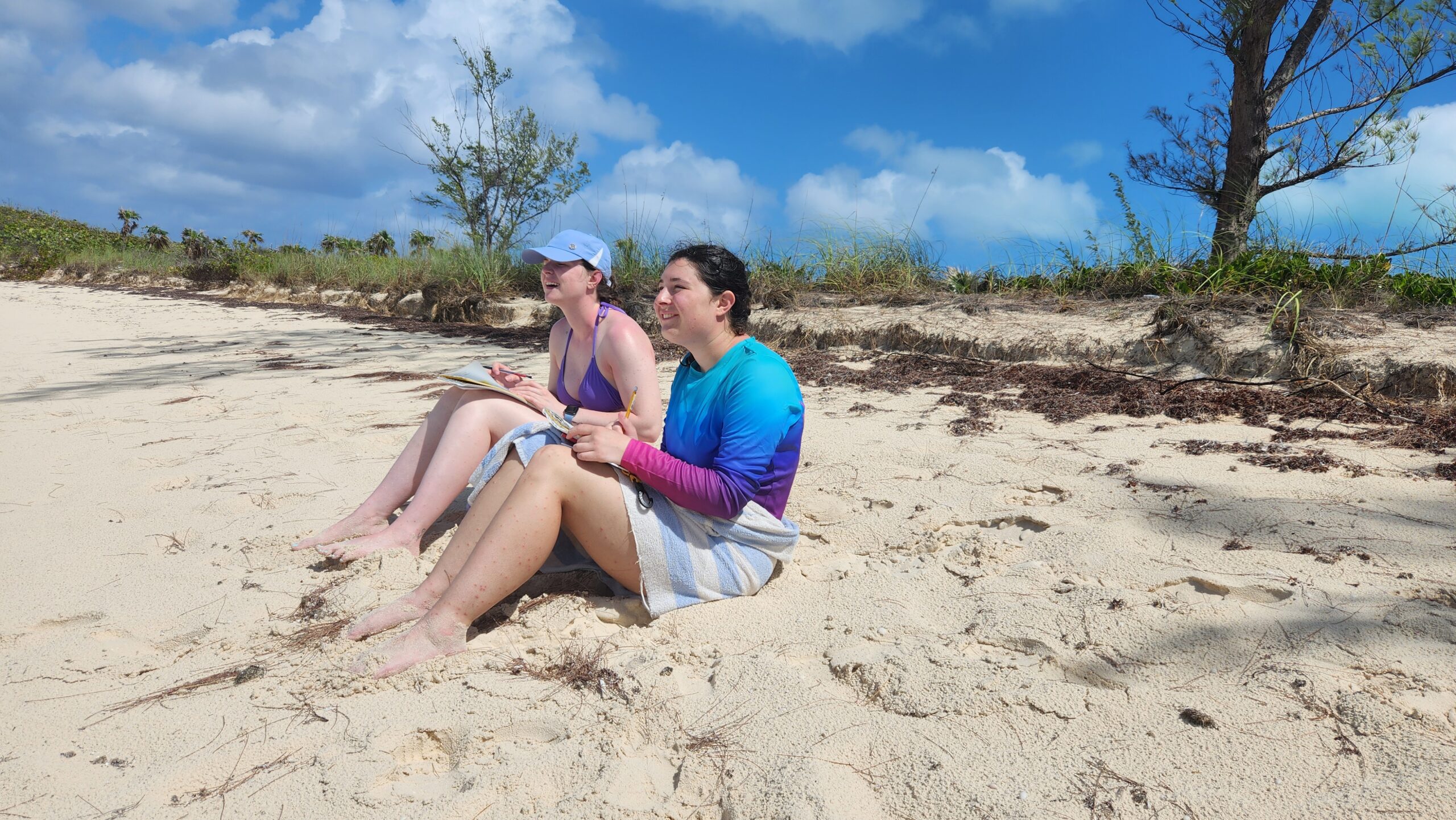
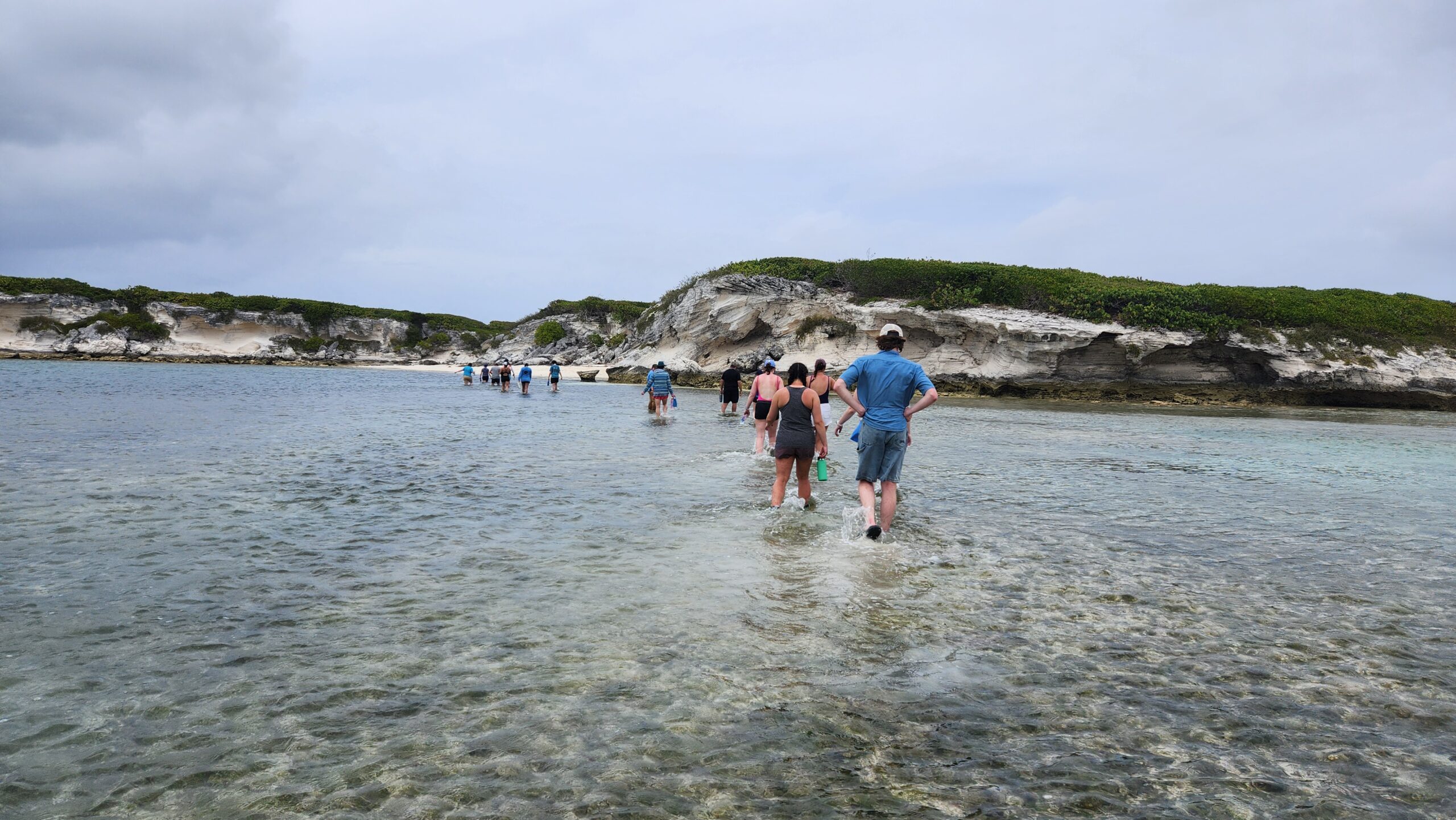
Isidro “Sid” Bosch, professor of biology, and Jeffrey Over, distinguished professor of geological sciences, led 15 students during the March break week as they examined coral, clam fossils, fish, and other marine features off San Salvador Island. Their goal was to better understand how hurricanes, ocean warming, human activity, and coral-specific diseases have damaged the reef-life over time.
In the classroom, students first learn coral reef ecology and geology, then develop research projects to conduct in the Bahamas. Upon returning to the classroom, students analyze their findings and present them at GREAT Day.
“This course provides students an opportunity to do meaningful research and to think like scientists,” said Bosch. “Each year, we add to our long-term data record of coral abundance, species composition, and fish communities. We conduct research projects that highlight trends we’ve encountered. It’s amazing that students can see all these changes over time.”
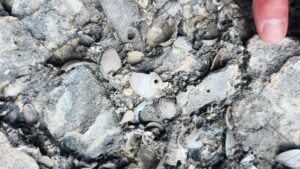
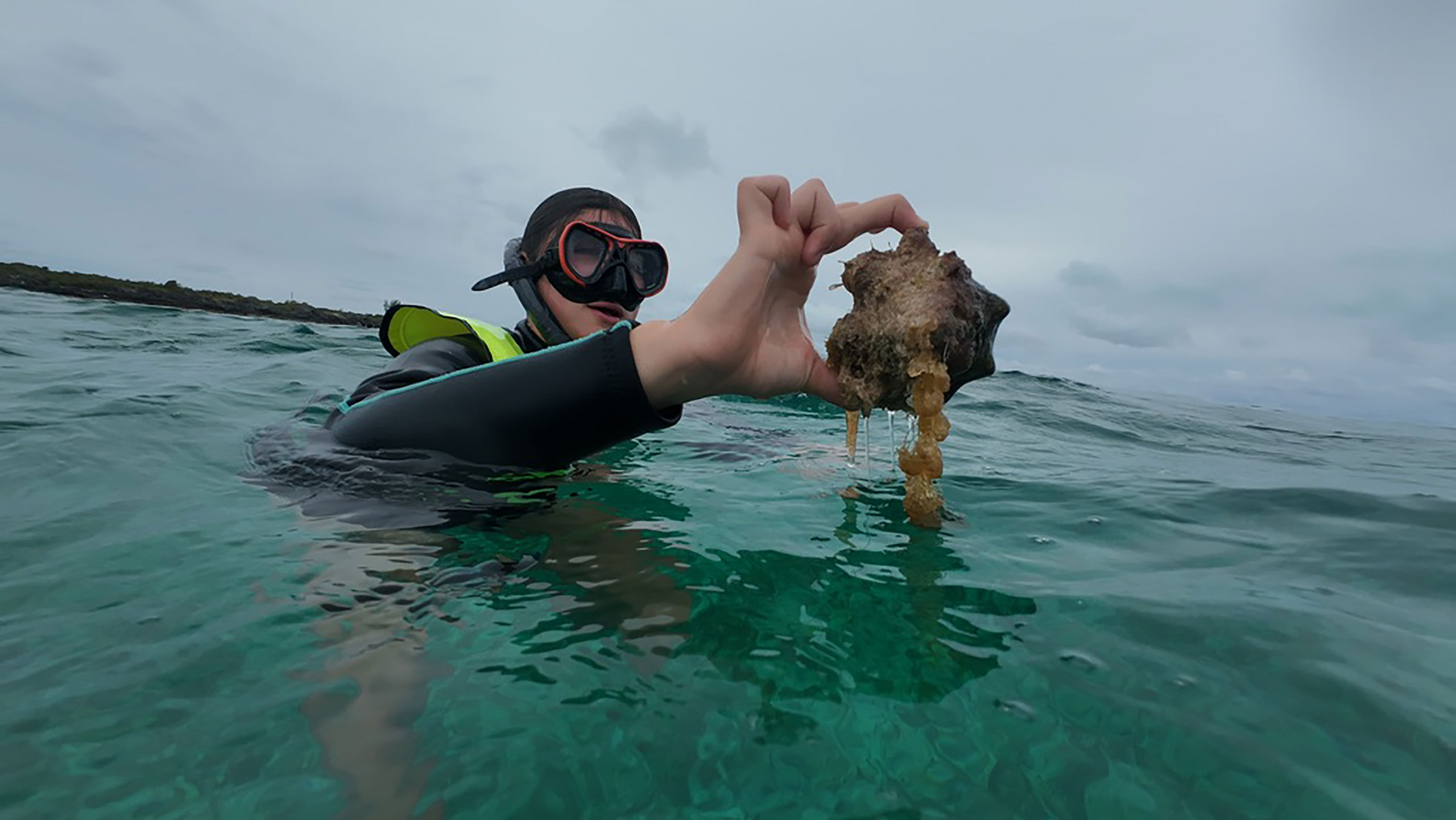
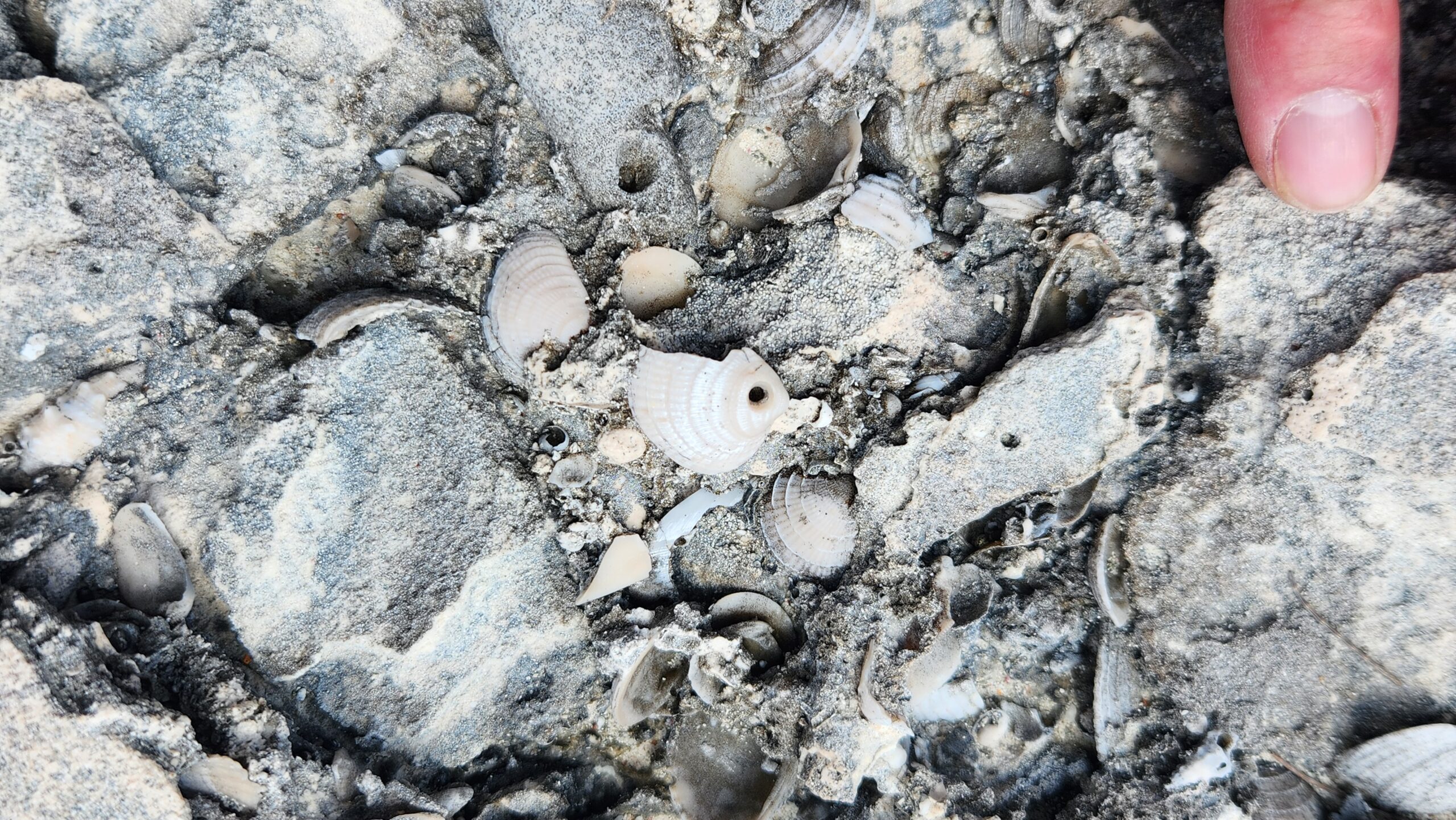
Emily Szczublewski ’27, a geology major and biology minor, was part of a team that studied the history of moon snails in the Caribbean. Moon snails feed on clams by boring a hole through the shell and sucking out the insides. Students dove to retrieve sand samples, which were later sifted for clam fossils with the tell-tale holes in their shell.
“I was not in my comfort zone in the ocean, but I knew I could do it. I did. And it was amazing,” said Szczublewski, who plans to pursue geology in graduate school and her career. “I can take this beyond Geneseo. I know how to do these skills that you can’t really learn in a classroom. It’s phenomenal.”
Coral loss had the most striking outcome this year, according to Bosch. Most of the coral reefs around San Salvador Island are covered by algae, which covers more than 50 percent of the habitat, compared to 2 to 5 percent by corals. In the 1970s, the habitat was 50 percent coral cover, said Bosch. There is also evidence of declining fish populations, including parrotfish, which clean coral of algae.
“These ecological systems are changing radically,” said Bosch. “We have seen this happen in 15 years, and that’s a big, fast change. As professors, we can either steer students away from this destruction of a beautiful ecosystem or research and document it, and start thinking about what can be done to bring the coral back.”
Learn about students and the pool sessions.
Author
Kris Dreessen
Lead content writer
(585) 245-5520
dreessen@geneseo.edu