

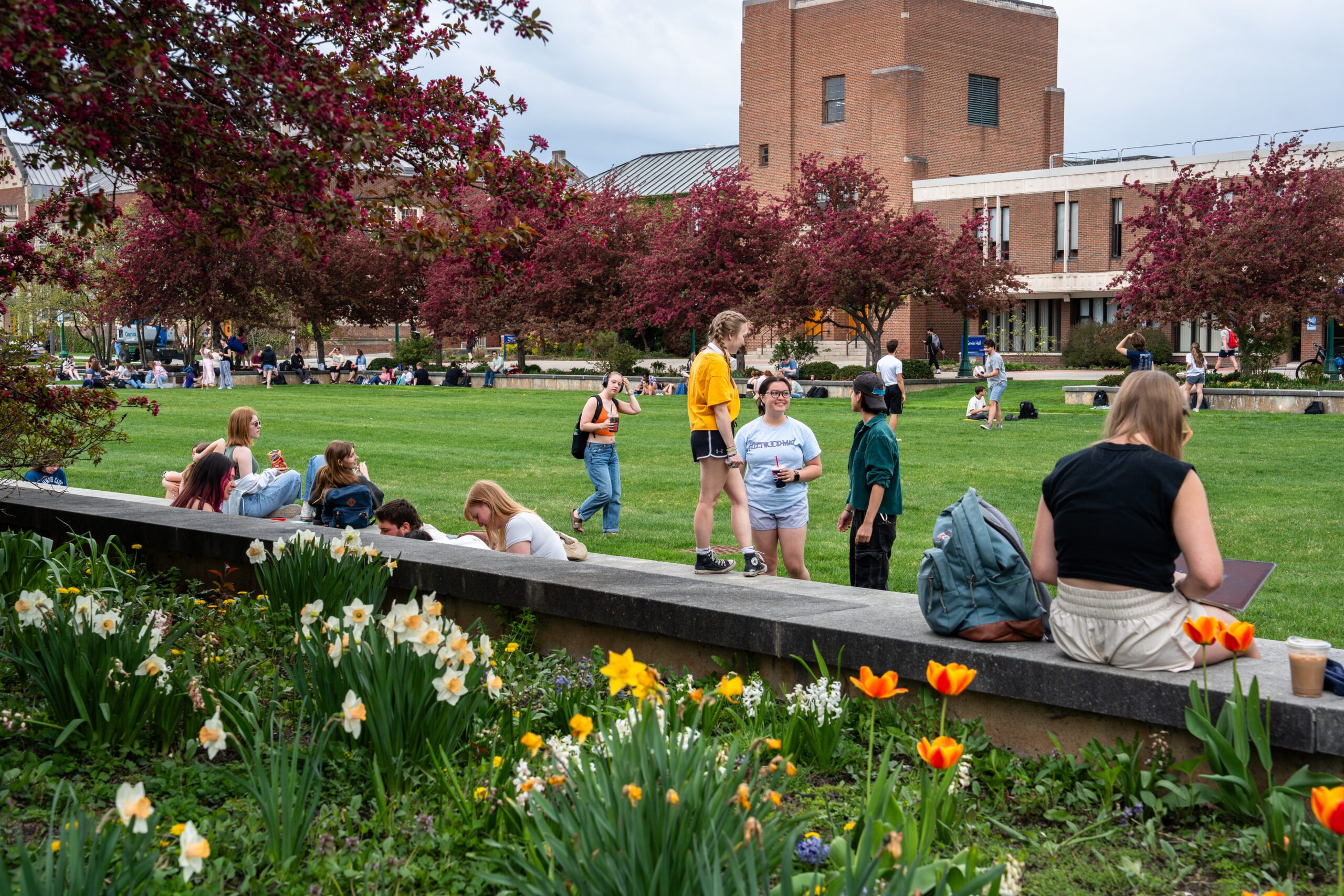
College Green (SUNY Geneseo/Matt Burkhartt)
As dean of students at SUNY Geneseo, I know that college is a time of growth and change for everyone. Students develop independence, discover new interests, and build confidence in making decisions. At the same time, parents and families begin a new relationship with their student—one that gradually shifts from directing to fostering independence while continuing to support.
As a college administrator, I am in a position to help shape an environment where students and their families can find the support and resources they need. Here are tips for navigating move-in, parent-student relationships, and the emotional and developmental journeys that accompany college life.
Relationship transition
One of the greatest gifts parents can give is confidence in their student’s ability to solve problems. Before stepping in, ask what they’ve already tried and what campus resources are available to help. Students grow by working through challenges.
Communication often changes. Some students call or text every day; others become immersed in campus life and communicate less frequently. Discussing communication expectations before the semester begins can help establish a routine that is agreeable to everyone.
Parents may wonder how involved they should be, and students may struggle to balance independence with asking for support. Too much involvement can limit growth, while too little support can leave students feeling disconnected. Finding the right balance, built on trust, communication, and mutual respect, is an ongoing process.
Move-in day
The days leading up to move-in can be emotional for everyone. Students and families may feel excited, nervous, overwhelmed, or uncertain. Expect variability. Students may feel excited one moment and distant, irritated, or anxious the next. This is a normal part of adjusting to a new chapter.
How to make move-in day go more smoothly:
• Try not to focus on small details or disagreements about how to unpack or organize the room.
• If tensions rise, give everyone space while exploring campus or the community.
• Parents, don’t be surprised if your student wants to spend time meeting new people and building their campus community.
• Keep goodbyes simple. Long farewells can often be more difficult.
• As families head home, take time to recognize this milestone. The relationship is not ending; it is changing.
The student journey
Homesickness, loneliness, stress, roommate conflicts, disappointing grades, and uncertainty are common experiences for many students. Returning students may also face new academic pressures, changing friendships, or questions about their future.
Students will benefit from maintaining healthy routines, getting enough sleep, staying connected with supportive people, and finding time for activities they enjoy. Challenges can be difficult, but they are also opportunities to develop resilience, confidence, and independence. The College provides many resources—including academic support, counseling services, health services, case management, and student organizations—to help students succeed academically, socially, and emotionally.
Beyond everyday stress
Most students adjust with time and support from family, friends, and campus resources. Occasionally, however, concerns extend beyond the typical challenges of college life.
Signs a student needs additional help include:
• persistent hopelessness
• severe anxiety or depression that interferes with daily life
• thoughts of self-harm
• substance misuse that places a student’s safety at risk
Students are encouraged to reach out for help early. Parents and family members can support that process by expressing concern without judgment and encouraging students to connect with resources.
Asking for help is a sign of strength, not weakness. Learning when to seek support is an important part of becoming an independent adult. Parents, if you have an urgent concern about your student’s safety, call the University Police Department at 585-245-5222 or 911.
Parents, take care of yourselves
Parents and family members, remember to care for yourselves. The weeks after a student leaves home can feel surprisingly quiet. Reconnect with hobbies or spend time with friends and family. Supporting your own well-being allows you to be fully present when your student reaches out.
I look forward to partnering with students and families as students enter the Fall 2026 semester. If you have questions, please reach out to me at kmach@geneseo.edu.
Author
Karen Mach
Dean of Students
(585) 245-5706
kdmach@geneseo.edu