
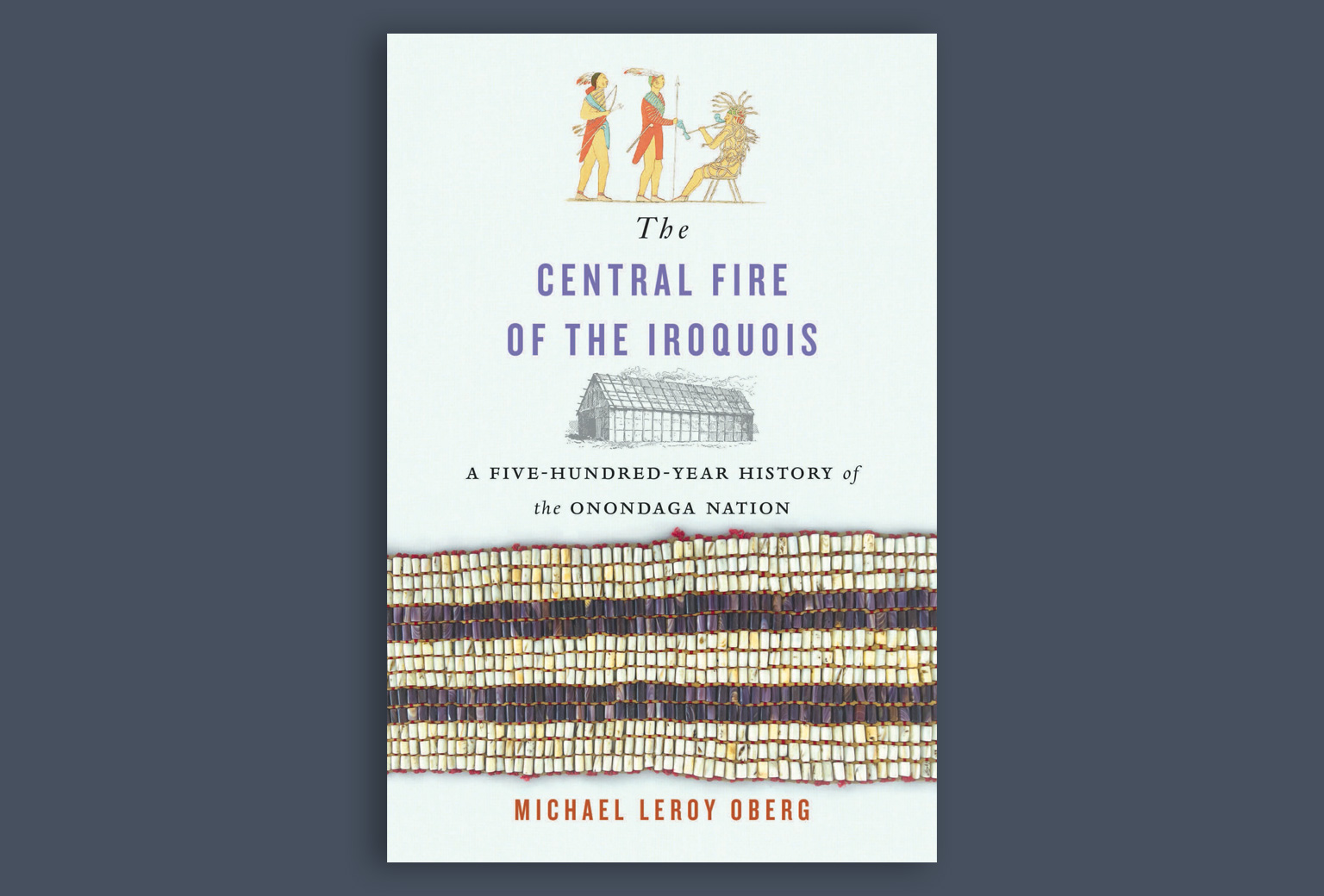
Book cover image courtesy of Yale University Press
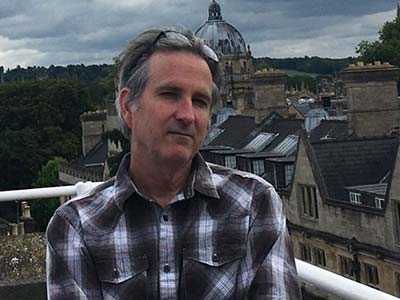
Michael Oberg, SUNY Distinguished Professor of history and an internationally renowned scholar of Native American studies, has published The Central Fire of the Iroquois: A Five-Hundred-Year History of the Onondaga Nation (Yale University Press, 2026).
The book traces the Onondagas from their emergence, through the formation of the Iroquois League, and into the present day. It tells of their survival and commitment to their land and cultural values despite military invasions, disease, and efforts to eliminate their lands and traditional government.
Oberg began the project in 2010 as part of his research on the clean-up of Onondaga Lake, one of the most polluted bodies of water in North America.
“That research laid the groundwork for what became the book, which involved intensive archival work over many years and interviews with members of the Onondaga Nation,” said Oberg. “The book is the history of one Indigenous town over 500 years, and the people who lived in it and visited it.
“I would argue Onondaga was a capital city in early America, and it remains an Indigenous capital today,” said Oberg. “Its importance in the 16th, 17th, and 18th centuries should place it on the same plane as more familiar places like Boston, New York City, and Philadelphia. If any number of white people had had their way, the Onondagas would have been eliminated. They have persisted, and they continue to speak from the heart of Indigenous America.”
Yale University Press said the book “not only sheds light on the resilience of a vibrant and influential culture but examines the intricate diplomatic politics that shaped the relationship between the Onondagas—and the entire Haudenosaunee Confederacy—and the emerging American states, and how the legacy of these early encounters continues to resonate in the twenty-first century.”
The Central Fire of the Iroquois is Oberg’s tenth book on Native American history, including Peacemakers: The Iroquois, the United States, and the Treaty of Canandaigua, 1794 (Oxford University Press, 2015) and a textbook, Native America: A History (Wiley-Blackwell, 2022), co-written with historian Peter Olsen-Harbich ’14.
Oberg founded the Geneseo Center for Local and Municipal History and directs The Gardiner Foundation Semiquincentennial Student Fellowship Project, which funds student fellowships exploring American independence.
Oberg received the title of Distinguished Professor, SUNY’s highest rank, in 2015. He has also received the Chancellor’s Award for Excellence in Scholarship and Creative Activities (2013) and the Chancellor’s Award for Excellence in Teaching (2003). He joined the Geneseo faculty in 1998.
Learn more about SUNY Geneseo’s undergraduate and graduate history programs.
Author
Kris Dreessen
Lead content writer
585-245-5520
dreessen@geneseo.edu
More Stories
Student Researchers Dig into Ancient Extinctions
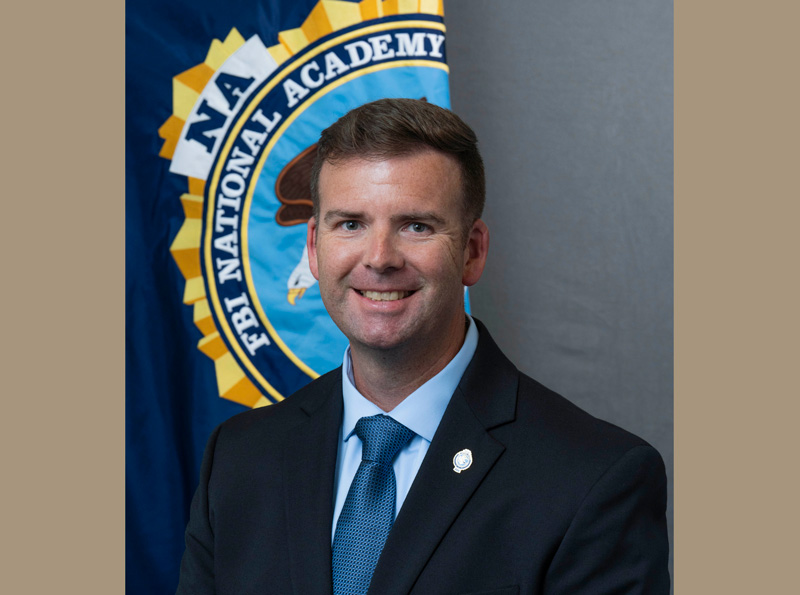
UPD Lt. Phelps Completes FBI Program
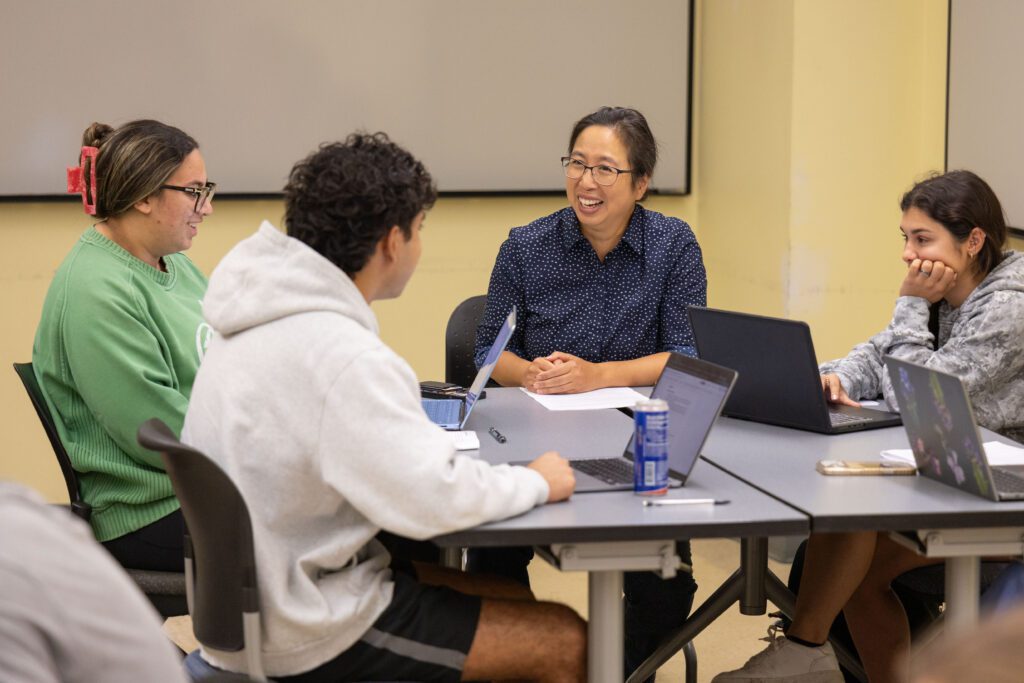
Biology Professor Earns $228K Grant for STEM Teaching

Education Professor Awarded Grant to Advance STEM Learning Through Bike Engineering and Design
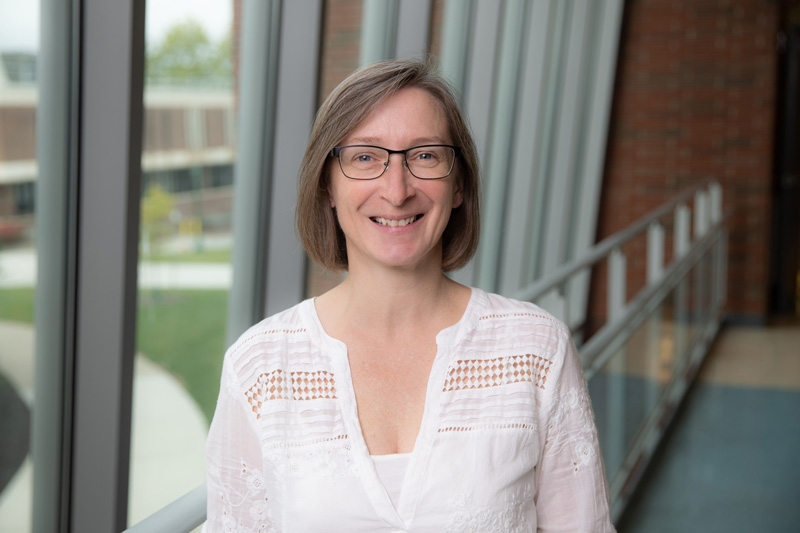
Amy Sheldon ’90 Named Associate Provost for Academic Affairs
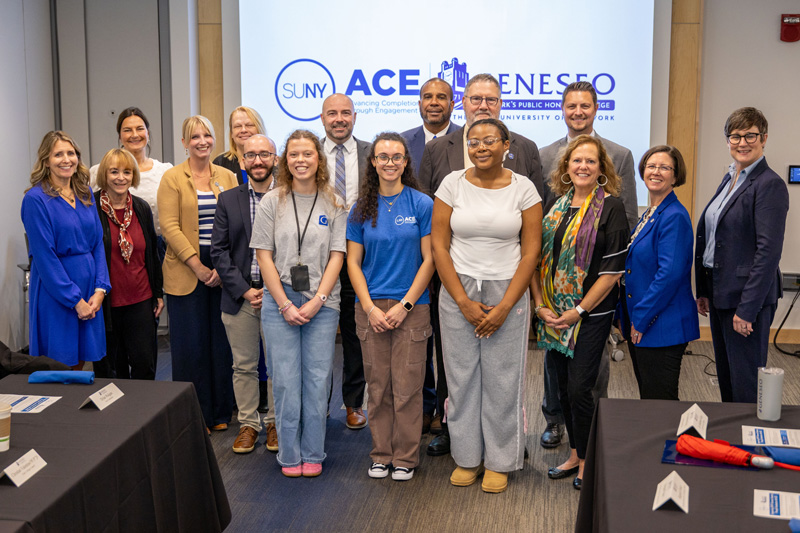
SUNY Geneseo Highlights Student Experiences in ACE Program at College Council Luncheon
Princeton Review Again Names SUNY Geneseo a Best Value College