

Geneseo Summer Academy: Live and Learn on Campus
Program Overview
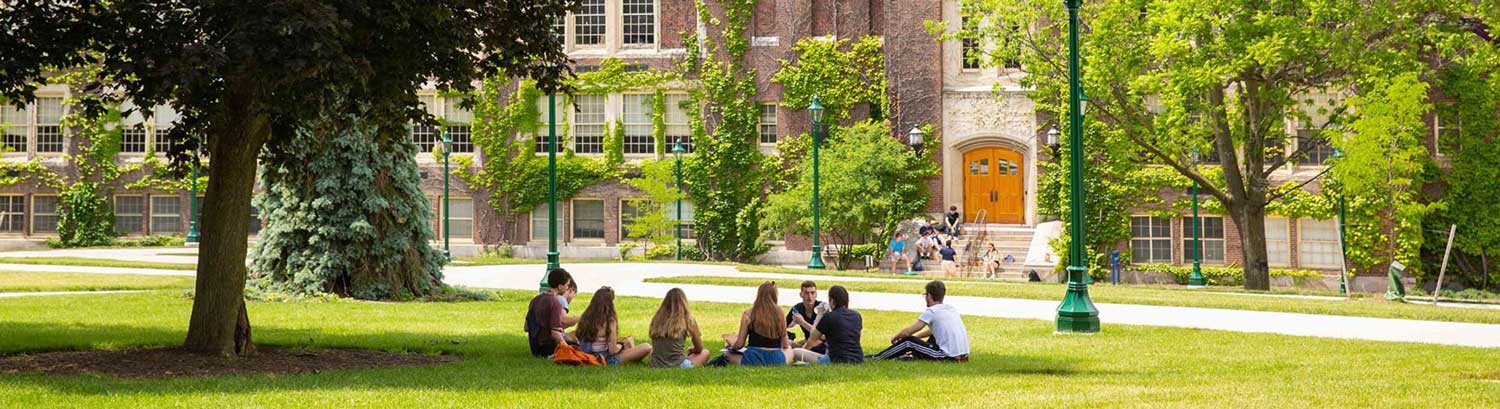
Geneseo Summer Academy is a one-week residential program for high school students who want to prepare for college, explore academic interests, and gain real college experience. Students will live in residence halls, eat in dining halls, and participate in hands-on learning led by Geneseo’s expert faculty.
This program helps students stand out in college applications by offering college-level academic experiences, networking opportunities, and a deeper understanding of life at a nationally recognized public honors college.
Date: July 12-18, 2026
Cost: $1750
- Mid-December – Applications open.
- January 15 – Application and Financial Assistance Application deadline.
- February 1 – First-round admission and financial assistance decisions are announced.
- March 1 – First-round registration and payment deadline.
Students who complete the program and choose to attend Geneseo as undergraduates will receive a one-time $500 scholarship toward non-tuition costs.

Courses
Why are video games so engaging? What can games teach us about ourselves and the world around us? How might we design games to change the world for the better? In this hands-on course, students will play, analyze, and design games while exploring the fascinating intersections of psychology, education, technology, and culture. Students will investigate what makes games powerful learning environments, examine how games reflect and reinforce cultural values and societal norms, and explore how games can address real-world problems. Working collaboratively, students will apply their discoveries to design original games with a purpose beyond entertainment. No programming experience is required.
Professor: Taylor Kessner
Taylor M. Kessner is an Assistant Professor in the School of Education at SUNY Geneseo. An internationally recognized learning scientist and social studies educator, Kessner’s work explores how games, simulations, and emerging technologies—such as AI—can support historical thinking, civic learning, and teacher preparation.
Every object has a story, and many of the best stories are hiding in plain sight all around us. In this session students will become historians of everyday life embodied in ordinary and extraordinary objects. Possible artifacts for study might include a child’s toy, a cemetery marker, an agricultural or domestic tool, or a monument. While practicing core historical and community-based research skills, students will work with archival sources and uncover the stories of the object and its creators, users, preservationists, and curators.
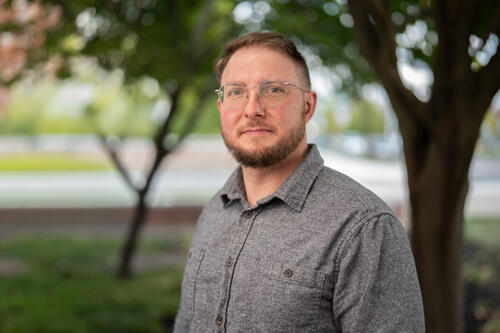
Professor: Catherine Adams
Catherine Johnson Adams is an Associate Professor of History. She earned her M.A. in American Studies from Michigan State University and her Ph.D. from the University of Illinois, Urbana-Champaign. She has been a member of the SUNY Geneseo faculty since 2007. Her research interests and teaching specialties are Early American History, African American History, United States Women’s History, Local and Public History, and Material Culture. She is the co-author (with Elizabeth H. Pleck) of Love of Freedom: Black Women in Colonial and Revolutionary New England, Oxford University Press, (2010).
From microbiomes, to food and water quality, to infection, microbial growth impacts our lives in many ways. Through classroom discussions, activities, and lab experiences, we will explore the topic of how microbial growth can be controlled using chemical and physical methods. Students will work in teams to complete a project that communicates information about microbial growth to the general public.
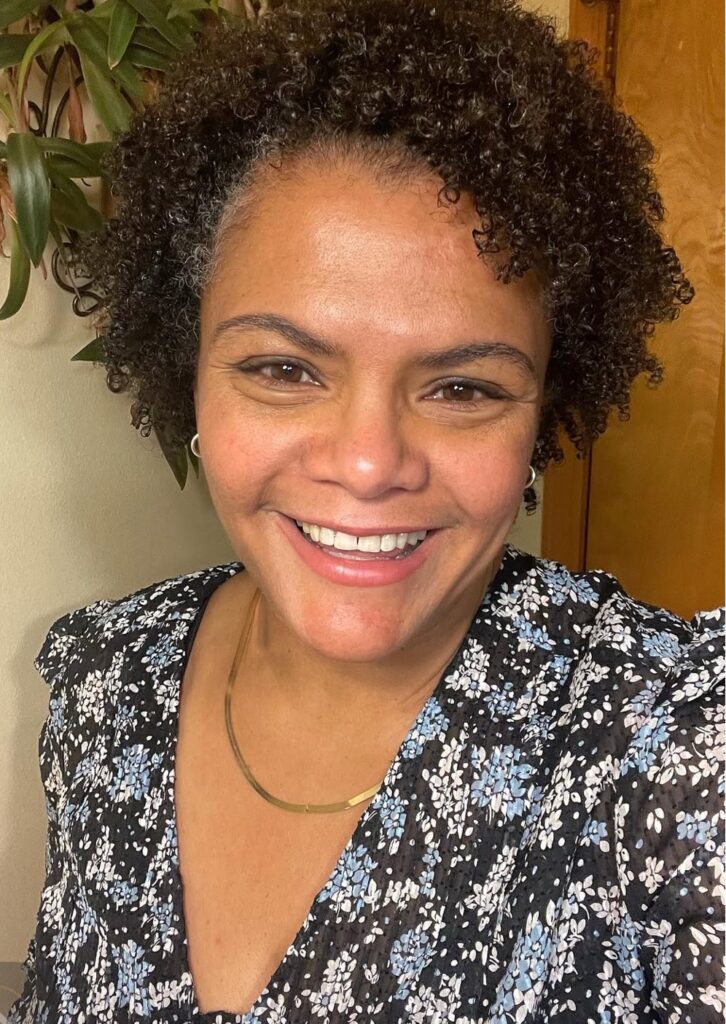
Professor: Betsy Hutchinson
Dr. Hutchison is an associate professor of Biology. She specializes in genetics and microbiology, with a focus on studying the model fungal organism Neurospora crassa. Dr. Hutchison earned her bachelor’s degree in Microbiology at NC State University, and her PhD in Microbiology from UC Berkeley. When she’s not teaching, you can find her hiking with her dogs, quilting, and spending time with her family.
Can economics help us tackle climate change, reduce inequality, or create more opportunities for everyone? Why are some countries rich while others struggle with poverty? Why do markets sometimes fail to solve problems, and what can governments do about it? In this hands-on introduction to economics, you’ll think like an economist as you explore big questions, investigate real-world challenges, and discover how choices, incentives, and policies shape our lives. Put your ideas into action in a final project where you’ll design and showcase your own creative solution to a real-world economic challenge.
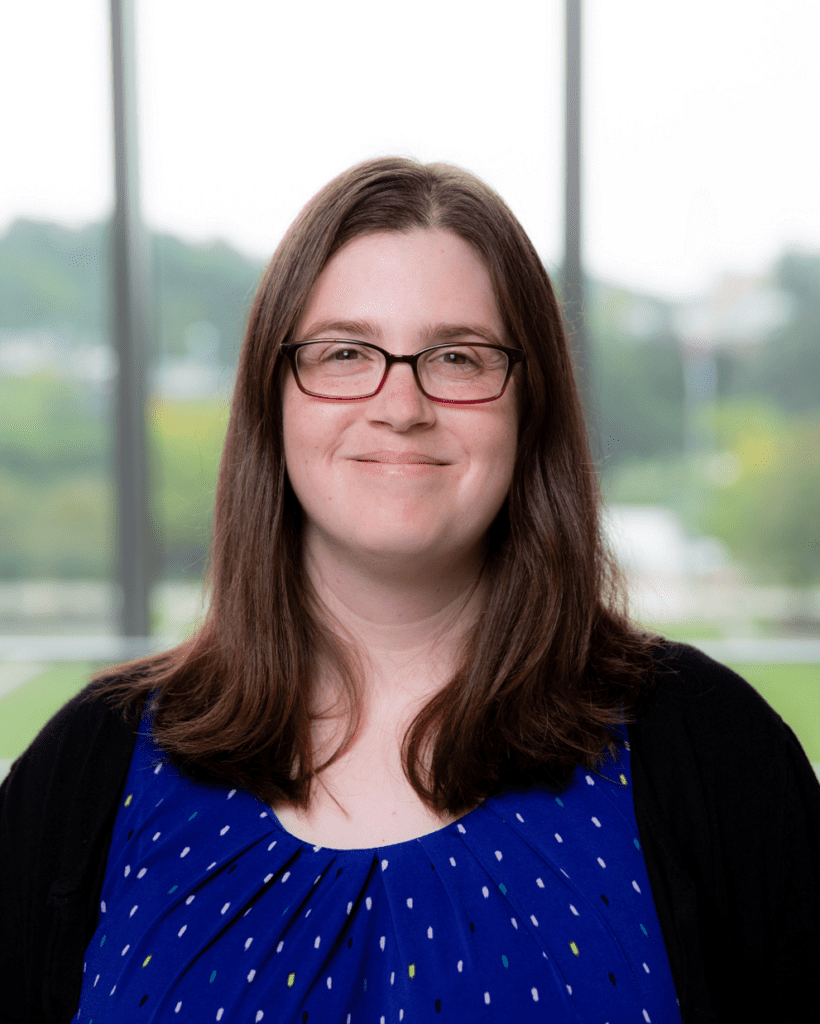
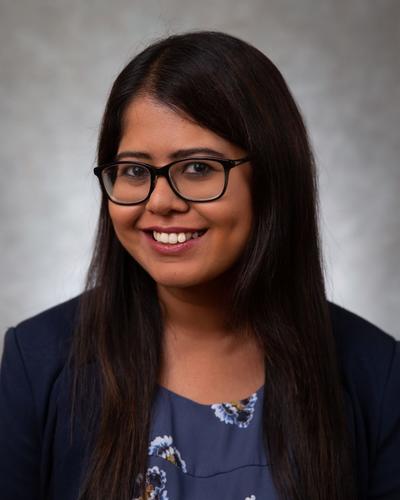
Professor: Pallavi Panda
Dr. Pallavi Panda is an Associate Professor of Economics and the Faculty Coordinator for Economics and Data Analytics in the School of Business. Prior to joining Geneseo in 2015, she completed her Ph.D. in Economics from the University of California, Riverside, and worked as a management consultant at Accenture Consulting. Her research explores how the economy and public policies affect people’s lives, families, and communities. She studies how trade and globalization affect women’s workforce participation, how infrastructure development affects women and children, how access to health care and laws requiring children to attend school affect communities, and how air pollution influences fertility and children’s health. Her work uses data-driven analysis to understand these issues and identify ways public policies can improve people’s lives and well-being. Dr. Panda enjoys teaching and received the Chancellor’s Award for Excellence in Teaching from SUNY in 2022. Outside of work, she enjoys spending time outdoors, camping and hiking in the Adirondacks, taking trail walks with her dog, cooking with her husband, capturing precious moments with her newborn, and dancing like no one is watching.
How can we build a more sustainable future, and who gets to shape what that future looks like? Together, we’ll explore how climate change, environmental policy, and social justice are deeply connected. Through documentary film, critical discussions, policy analysis, and hands-on activities, we’ll investigate questions like: Why are some communities disproportionately affected by environmental harm? How do Indigenous knowledge and activism contribute to sustainability solutions? What role do race, inequality, and political power play in climate policy?
Professor: Karleen West
Dr. Karleen West is professor and chair of the Department of Political Science and International Relations. Dr. West specializes in Latin American politics, with an emphasis on comparative institutions, political representation, and the politics of sustainability. Her work has been recognized with a SUNY Chancellor’s Award for Excellence in Scholarship (2021), the SUNY Geneseo Academic Affairs Outstanding Commitment to Geneseo’s Value of Learning Award (2020), and, with Dr. Suann Yang (Biology) the SUNY FACT2 Award for Excellence in Instruction (2020) for the DOMES Curriculum on Sustainability.
Upcoming Virtual Informational Sessions
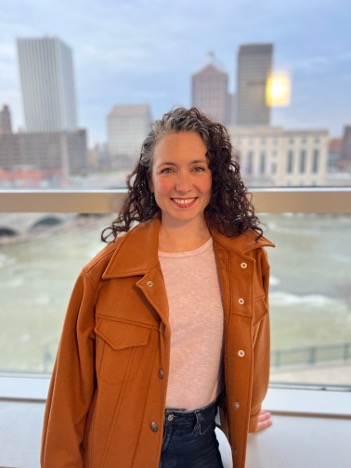
Join David Levy, professor and chair of the philosophy department, who will lead an information session on Thursday, April 16 at 7:00pm
Why Attend?
- Get Ready for College – Experience living in a residence hall, attending college classes, and meeting new friends.
- Learn from Experts – Take exciting classes led by real college professors in subjects like art, politics, science, and writing.
- Network and Have Fun – Join other students from different schools, explore campus, and take part in fun activities.
- Build Your Future – Gain skills to help you stand out when applying to college.
- Earn a Scholarship – If you attend Geneseo for college after this program, you’ll receive a one-time $500 scholarship to cover non-tuition expenses!
FAQ
Yes! Payment plans are available. Contact summeracademy@geneseo.edu for more information.
At this time, financial assistance is not available.
However, students who complete the Summer Academy and subsequently enroll at Geneseo will receive a one-time scholarship of $500 toward non-tuition expenses (for example, housing and food).
Students who are currently in their sophomore or junior year of high school. All participants must be under the age of 18.
No, the cost does not include transportation.
The program dates are July 12-18. A more detailed schedule will be sent as part of the onboarding process.
While it is not required, some faculty may encourage having completed courses, such as algebra, if applying to “Discovering the Subatomic World”.
Not at all! We hope and expect there will be some students who know what they want to major in when they come to college, and some who are still figuring that out. Participating in the Summer Academy may also help you as you determine your academic interests.
Yes! Students in the program will be grouped with current Geneseo students as mentors. You will meet in small groups with your mentor throughout the week to talk about college life as well as how to make the best use of various college resources.
The fee includes food, housing, all classroom materials, transportation and entrance fees for field trips, recreational activities, and access to Geneseo’s health center for medical care.
Have questions? Contact us!
Email: summeracademy@geneseo.edu
Phone: 585-245-5612