
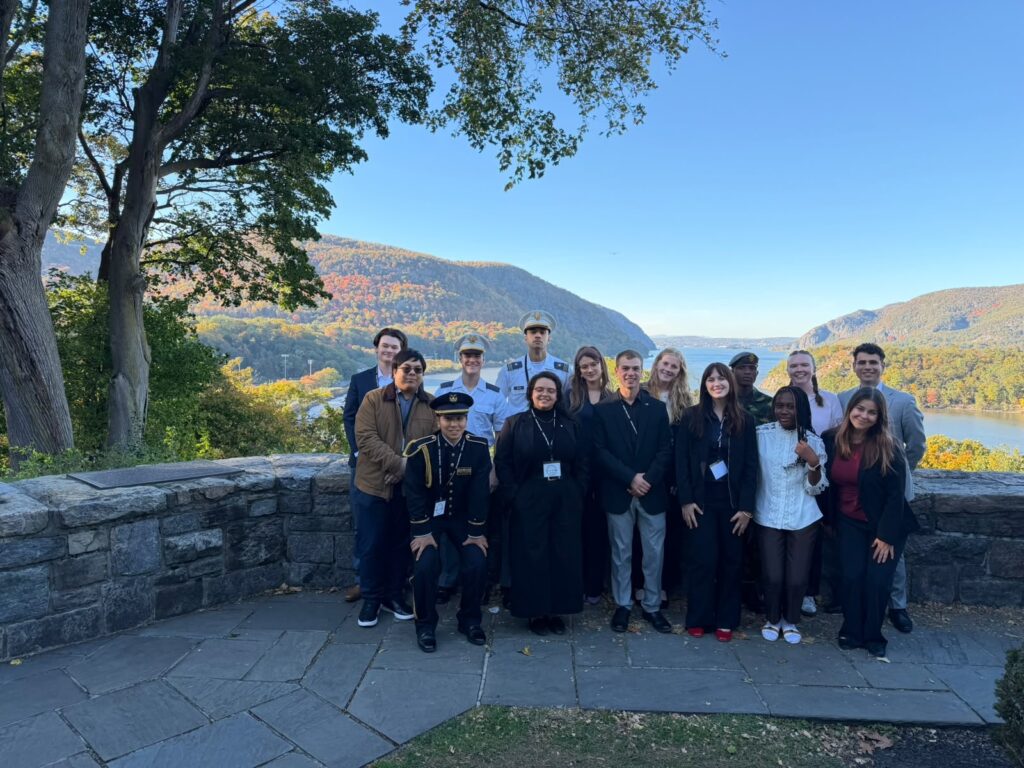
Geneseo students with cadets at West Point for the SCUSA conference.
Department of Political Science and International Relations News
News article created by the Department of Political Science and International Relations.
Four students from the Department of Political Science and International Relations represented SUNY Geneseo at the 77th Student Conference on United States Affairs (SCUSA), one of the nation’s premier undergraduate conferences on foreign policy, national security, and international affairs.
Alyssa Dawson ’27, Maria Gonzales ’28, Luke Mancini ’27, and Beckett Swanson ’28 joined student delegates from colleges and universities across the United States and abroad at the United States Military Academy at West Point from October 21–24, 2026. The conference explored the theme, “Peace Through Strength: Power in the 21st Century.”
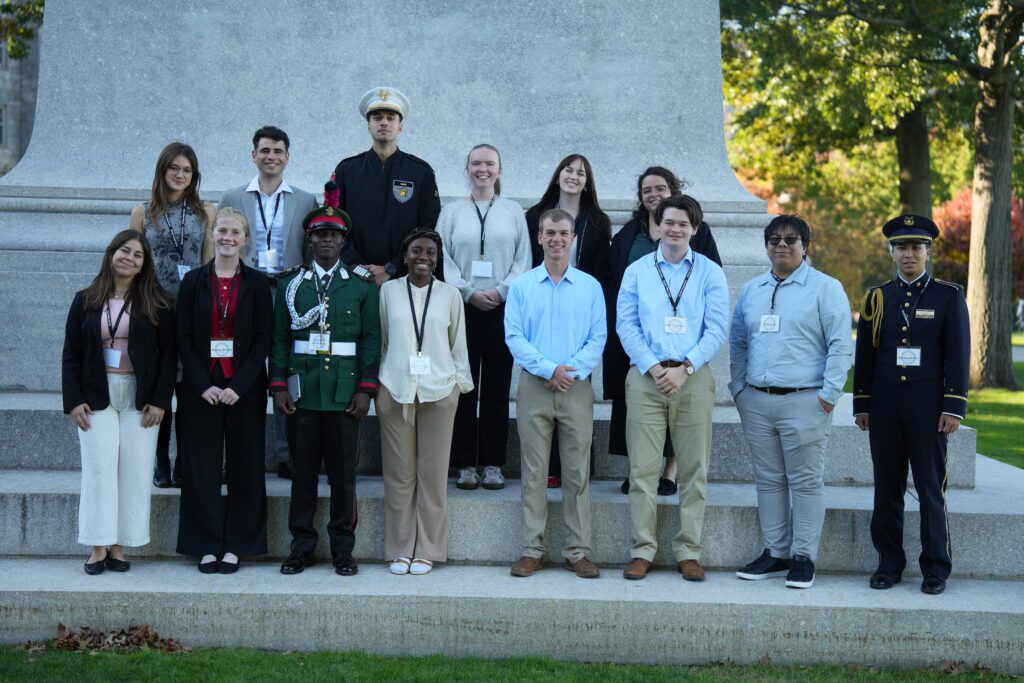
Hosted annually by West Point, SCUSA brings together outstanding undergraduate students, military cadets, scholars, policymakers, and national security practitioners to examine some of the most pressing challenges facing the United States and the international community. Through intensive roundtable discussions and policy debates, participants develop recommendations on contemporary foreign policy issues while building connections with peers committed to public service and global engagement.
The theme of SCUSA 77 reflected the complexities of American power at a moment of significant international change. While the United States remains the world’s leading military and economic power, rising competitors such as China and Russia, along with influential regional and middle powers, continued to reshape the global landscape. Throughout the conference, participants explored how the United States could effectively combine military strength, economic resilience, technological innovation, diplomacy, and alliances to maintain peace and deter conflict in an increasingly multipolar world.
Over the course of the conference, delegates participated in one of fifteen specialized roundtables addressing critical issues in contemporary security and foreign policy. Topics included civil-military relations, national security decision-making, counterterrorism, constitutional tensions between liberty and security, economic sanctions, defense industrial strategy, supply chain vulnerabilities, artificial intelligence and cybersecurity, diplomacy, and alliance management in Europe and the Indo-Pacific.
The conference opened with a senior panel discussion, followed by a keynote address by the U.S. Ambassador to the United Nations, Mike Waltz, four roundtable sessions, and a closing plenary session on October 24. During the final session, selected delegates presented policy recommendations developed through collaborative discussions and debates held throughout the conference. Mancini’s roundtable advanced to the final presentations, as did Gonzales’ whose recommendation won the competition.
For the students, participation in SCUSA provided a unique opportunity to apply classroom learning to real-world policy challenges while representing Geneseo on a national stage. The experience enabled them to engage deeply with complex international issues, strengthen their analytical and communication skills, and contribute to discussions on some of the most consequential questions facing U.S. foreign policy.
The participation of these students reflects the longstanding commitment of the Department of Political Science and International Relations to providing transformative learning experiences that connect academic study with contemporary global challenges. Through opportunities such as SCUSA, Geneseo students continue to develop the knowledge, skills, and perspectives needed for leadership in an interconnected world.
Student participation in SCUSA is generously supported by alumni of the Department of Political Science and International Relations.
More Stories

Study Abroad Inspired International Grad Work for This Alum
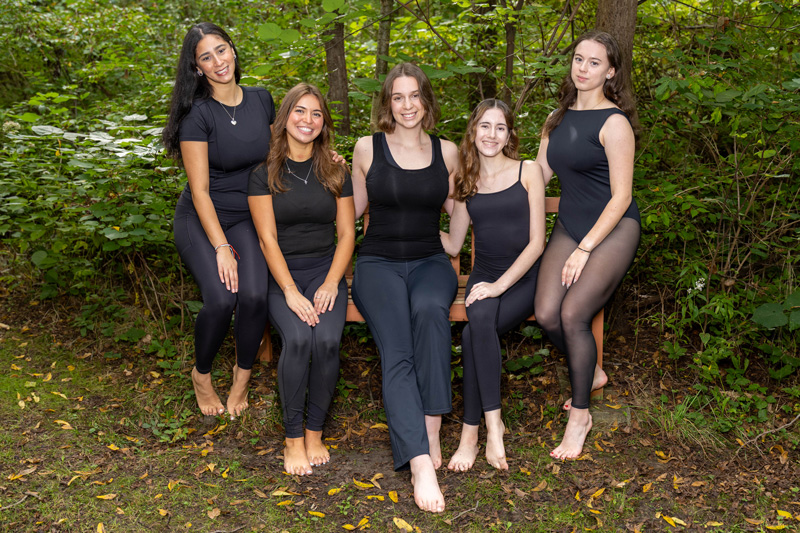
Dance Ensemble Presents Journey to Meeting Point
Keats Book Discovery Turns Two Geneseo Alums into Literary Detectives
Longtime Rochester Anchor Norma Holland ’97 Appointed to SUNY Geneseo’s College Council
SUNY Geneseo Celebrates Inauguration of President Melinda D. Treadwell

Alum Helps Choose US Postage Stamps
Student Researchers Dig into Ancient Extinctions